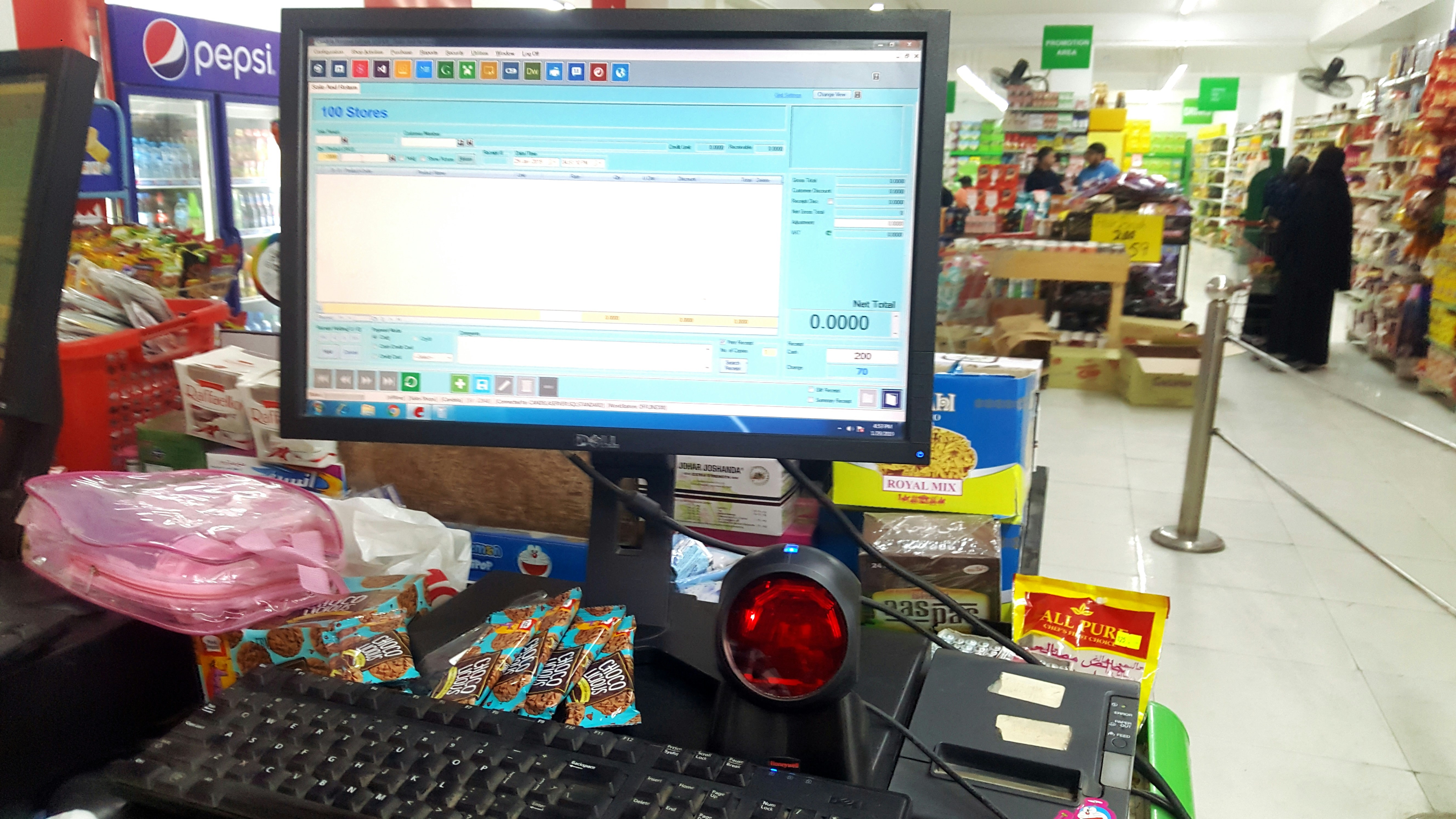

Introduction to Smart Shelves
Smart shelves represent a significant advancement in inventory management, increasingly adopted in retail environments to enhance efficiency and accuracy. These innovative systems leverage advanced technology, including barcode technology, to automate and streamline the tracking of products on store shelves. By integrating sensors, cameras, and real-time data analysis, smart shelves not only provide retailers with the ability to monitor inventory levels but also facilitate immediate restocking decisions.
The significance of smart shelves extends beyond simple inventory tracking. They empower retailers to maintain optimal stock levels, thus reducing instances of overstocking or stockouts. This accuracy leads to improved customer satisfaction, as shoppers are more likely to find the products they need on the shelves. Moreover, the real-time data provided by smart shelf systems supports more informed pricing and promotional strategies, enabling businesses to respond swiftly to market demands and consumer behavior.
Furthermore, the implementation of smart shelves can result in substantial cost savings for retailers. By minimizing labor costs associated with manual inventory checks, businesses can allocate their resources towards enhancing customer experience and engagement. Additionally, the data collected through these systems can offer insights into consumer preferences and shopping patterns, facilitating targeted marketing efforts.
Overall, smart shelves are at the forefront of a technological revolution in inventory management. They symbolize a shift towards intelligent solutions that harness the power of data analytics and automation. As retail continues to evolve, embracing smart shelf technology is essential for those looking to maintain a competitive edge in the dynamically changing market landscape.
Understanding Barcode Technology
Barcode technology has become an integral part of modern inventory management, facilitating efficient tracking and control within various industries. At its core, a barcode is a visual representation of data; the most commonly recognized format is the vertical black-and-white stripes seen on products and packaging. When scanned, these stripes convert into alphanumeric data, providing a unique identifier for each item. This identifier is crucial in ensuring accurate inventory levels and minimizing errors during stock management.
Different types of barcodes exist, each tailored for specific applications. The Universal Product Code (UPC) is perhaps the most familiar, often employed in retail for product sales. Other types, such as Quick Response (QR) codes, offer the advantage of storing more information and can be scanned by smartphones, making them versatile for various uses including customer interaction. Additionally, Data Matrix codes are gaining traction in logistics for tracking items in smaller spaces. Each barcode type presents unique features that can enhance inventory management efficiencies.
The integration of barcode technology with smart shelves represents a significant advancement in inventory tracking. Smart shelves are equipped with sensors and connectivity features that leverage barcode scanning to automate stock counting, monitor product conditions, and alert managers to low inventory levels. This not only streamlines the inventory process but also improves accuracy, reduces labor costs, and enhances overall operational efficiency. Furthermore, by employing barcode technology in smart shelves, businesses can analyze data patterns, enabling them to make informed decisions regarding stock replenishment and product placement.
How Smart Shelves Enhance Inventory Management
Smart shelves, integrated with barcode technology, represent a significant advancement in inventory management practices. The core advantage of these intelligent systems is their ability to enhance efficiency throughout various operations in retail and warehouse settings. By automating the tracking of inventory, businesses can minimize the time spent on manual counts and complicated stock assessments, streamlining their procedures considerably.
One of the key benefits of smart shelves is the notable reduction in human error. Traditional inventory management often relies on manual input, which can lead to inaccuracies and discrepancies. In contrast, smart shelves automatically scan barcodes and update inventory counts in real-time. This automated process not only ensures accurate data tracking but also provides a clear and immediate overview of stock levels, leading to more informed decision-making.
Real-time inventory updates are crucial in today’s fast-paced retail environment. With smart shelves, businesses can instantly monitor their inventory and receive notifications regarding stock levels, enabling them to respond quickly to changes in demand. This capability helps prevent stockouts and overstock situations, ultimately leading to optimized inventory management.
Additionally, smart shelves significantly enhance the customer experience. By having accurate and updated information about product availability, retailers can provide customers with better service. Shoppers can locate products more easily, and businesses can facilitate quicker checkouts through automated processes, leading to a smoother purchase journey.
Overall, the integration of smart shelves equipped with barcode technology not only enhances inventory management efficiency and accuracy but also positively influences customer satisfaction. As advancements in technology continue, these systems will play an increasingly vital role in modern inventory systems, making them indispensable for forward-thinking businesses.
Case Studies: Successful Implementation of Smart Shelves
The integration of smart shelves equipped with barcode technology has proven beneficial across a variety of industries. A notable example is a retail chain that implemented this system across its stores. By utilizing smart shelves, the chain achieved a significant reduction in inventory discrepancies, leading to a 20% improvement in overall stock accuracy. This accuracy not only optimized the supply chain processes but also ensured that customers could reliably find the products they needed.
In the manufacturing sector, a large electronics company adopted smart shelf technology to manage components in its warehouse effectively. The company faced challenges with inventory visibility and tracking, which often led to production delays. By incorporating barcode-embedded shelves, they were able to streamline the process of component retrieval, resulting in a 30% increase in operational efficiency. Additionally, this implementation minimized manual errors associated with inventory management, thus decreasing costs.
Another compelling case study is from the pharmaceutical industry. A leading pharmacy chain implemented smart shelves to control medication inventory. The smart shelves not only helped to monitor stock levels in real-time but also enabled automatic reordering of medicines before they ran out. As a result, the pharmacy managed to improve its service delivery, ensuring that critical medications were always available, thereby enhancing patient care. Moreover, the use of barcode technology simplified compliance with regulatory requirements, showcasing the benefits that such systems can bring to industries with strict oversight.
These examples demonstrate how the deployment of smart shelves, enhanced by barcode technology, can lead to increased accuracy, efficiency, and customer satisfaction. As we observe these successes, the potential for broader implementation across various sectors becomes increasingly evident.
Challenges and Considerations
The integration of smart shelves with barcode technology into inventory management systems presents several challenges that businesses must navigate. One of the most significant hurdles is the initial investment required for implementation. The costs associated with purchasing smart shelving units, barcode scanners, and the necessary software can be substantial. This can be especially challenging for small to medium-sized enterprises, which may struggle to allocate sufficient resources for such an upgrade.
Another critical issue arises from the complexity of integrating new technology into existing systems. Businesses must ensure that smart shelves can seamlessly connect with their current inventory management software. This often requires technical expertise and staff training, which can be both time-consuming and costly. It is essential to conduct thorough research and select technologies that are compatible with existing platforms to enhance operational efficiency.
In addition to financial and technical challenges, businesses must consider the potential resistance to change among employees. Workers accustomed to traditional inventory management systems may exhibit reluctance to adopt new processes and technologies. Thus, effective communication and training strategies are vital to foster a positive attitude towards transitioning to smart shelves and to highlight the benefits of improved efficiency and accuracy.
Moreover, companies must ensure data security and accuracy when utilizing barcode technology. The reliance on electronic systems increases vulnerability to cybersecurity threats, necessitating robust security measures to protect sensitive inventory data. Furthermore, maintaining the accuracy of barcode scanning is crucial; any errors can lead to discrepancies in inventory counts, ultimately disrupting supply chain management.
In addressing these challenges, businesses should meticulously plan their deployment strategy. This includes an analysis of their specific needs, and a phased rollout that allows for troubleshooting and adjustments as required. By anticipating potential obstacles, organizations can successfully harness the benefits of smart shelves and barcode technology in their inventory management processes.
Future Trends in Smart Shelf Technology
As the retail landscape continues to evolve, smart shelf technology emerges as a pivotal component in modern inventory management systems. The incorporation of barcode technology into smart shelves is not just a passing trend; rather, it signifies a foundational shift in how businesses can monitor and manage their stock. The future of this technology is expected to be largely shaped by advancements in artificial intelligence (AI) and machine learning, which can drastically enhance the efficiency and accuracy of inventory tracking.
AI algorithms can analyze vast amounts of data, allowing retailers to predict product demand more accurately and reduce instances of overstocked or understocked items. As machine learning capabilities improve, systems will not only learn from historical data but also adapt to seasonal changes and consumer trends in real-time. This adaptability will enable smarter inventory decisions, maximizing profitability and minimizing waste.
Improvements in barcode scanning technology also play a crucial role in the evolution of smart shelves. With the advent of high-speed, advanced scanning systems, the accuracy and speed of inventory counts will see dramatic enhancements. This means that merchandise can be accounted for more efficiently, facilitating quicker replenishment processes and ensuring that consumers always find what they are looking for on the shelves.
Moreover, the integration of the Internet of Things (IoT) is set to revolutionize smart shelf technology. Placing sensors on shelves allows real-time data transmission concerning product availability, triggering alerts when restocking is necessary. This interconnectedness creates a seamless operational flow that provides businesses with a competitive edge.
Overall, the future of smart shelves with barcode technology encompasses a blend of innovation through AI, improvements in scanning tech, and the expansive potential of IoT, marking an exciting time for inventory management.
Cost Analysis: Investing in Smart Shelves
As retailers and warehouse operators consider the implementation of smart shelves equipped with barcode technology, understanding the associated costs becomes crucial for informed decision-making. Initially, the investment in smart shelving systems may appear substantial; however, it is essential to evaluate the broader financial implications, including ongoing maintenance and the potential return on investment (ROI).
The initial investment for smart shelves typically includes the purchase of the shelving units themselves, barcode scanning technology, and the software necessary to manage the inventory. Depending on the size of the operation and specific technology choices, the costs can range from a few thousand dollars for smaller applications to tens of thousands for larger installations. Most systems also require custom integrations with existing inventory management software, which can further increase the setup costs.
In addition to initial expenses, ongoing maintenance costs must be factored into the overall budget. This includes software licensing fees, periodic system updates, and technical support services. Moreover, physical maintenance of the shelving and scanning devices, such as replacements and repairs, contributes to the ongoing operational costs. Businesses should allocate a portion of their budget for these recurring expenses to ensure continued functionality and performance of the smart shelving system.
Despite the upfront and ongoing costs, implementing smart shelves can lead to significant operational efficiencies, ultimately resulting in higher profit margins. Increased inventory accuracy, streamlined restocking processes, and reduced labor costs are just a few advantages associated with smart shelf technology. By minimizing stockouts and overstock situations, businesses can improve customer satisfaction and optimize cash flow management, further enhancing their return on investment. As organizations weigh the investment in smart shelves, they must consider both the direct costs and the long-term financial benefits that can manifest from modernizing inventory management systems.
Integration with Other Technologies
The integration of smart shelves featuring barcode technology into existing business systems has the potential to significantly enhance overall operations and efficiency. As retailers increasingly adopt technology to streamline their inventory management processes, combining these advanced shelves with other systems such as inventory management software and point-of-sale (POS) solutions becomes essential.
One of the primary advantages of using smart shelves is their ability to provide real-time data regarding stock levels and product location. When integrated with inventory management software, businesses can automate inventory tracking and replenishment processes. This not only reduces the risk of human error in stock assessments but also ensures that inventory is managed effectively. For instance, when an item is scanned and recorded via the smart shelf’s barcode, the inventory management system can automatically adjust stock levels, alerting staff when a restock is necessary. This integration eliminates the delays associated with manual tracking and enables organizations to respond quickly to fluctuations in demand.
Additionally, linking smart shelves to POS systems can streamline the checkout process. When customers purchase items, the smart shelf can update its records instantaneously, providing accurate inventory information across all platforms. This interconnectedness allows businesses to maintain an accurate view of stock at all times, preventing overselling and improving customer satisfaction. Furthermore, it can facilitate targeted promotions based on real-time sales data, enhancing the shopping experience.
As businesses continue to navigate the complexities of modern retail environments, the integration of smart shelf technology with both inventory management software and POS systems represents a strategic investment. By harnessing this integration, businesses can achieve more efficient operations, better inventory control, and ultimately, increased profitability.
Conclusion and Recommendations
The evolution of inventory management is characterized by the adoption of innovative technologies aimed at enhancing efficiency and accuracy. Smart shelves equipped with barcode technology represent a pivotal advancement in this realm. By enabling real-time inventory tracking, reducing human error, and optimizing stock levels, these intelligent systems significantly contribute to more effective supply chain management.
Throughout this discussion, we have examined the competitive advantages that smart shelves offer, such as improved data visibility and enhanced operational efficiency. These systems not only streamline inventory processes but also facilitate better decision-making through the provision of accurate data analytics. Businesses that integrate smart shelf technology can expect to experience reduced costs, minimized stock discrepancies, and an overall boost in customer satisfaction due to improved stock availability.
For businesses considering the adoption of smart shelves with barcode technology, several recommendations are essential. First, conducting a thorough assessment of existing inventory management practices is crucial to identify areas for improvement. Next, investing in training for staff to ensure they are equipped to utilize new technologies effectively is vital. Furthermore, it is advisable to collaborate with reputable technology providers to implement systems that align with specific operational needs.
Organizations should also emphasize the importance of data security in their adoption strategy. As with any technology that involves data collection, safeguarding sensitive information should be a primary concern. Lastly, it is recommended to explore pilot programs to evaluate the effectiveness of smart shelves before a full-scale rollout, allowing for adjustments based on initial findings.
In conclusion, the shift towards smart shelves equipped with barcode technology marks a significant step forward in inventory management practices. By embracing this innovation, businesses can not only streamline their operations but also position themselves favorably in a competitive marketplace.
© barcodly.com- All rights reserved