Introduction to Duty-Free Shopping
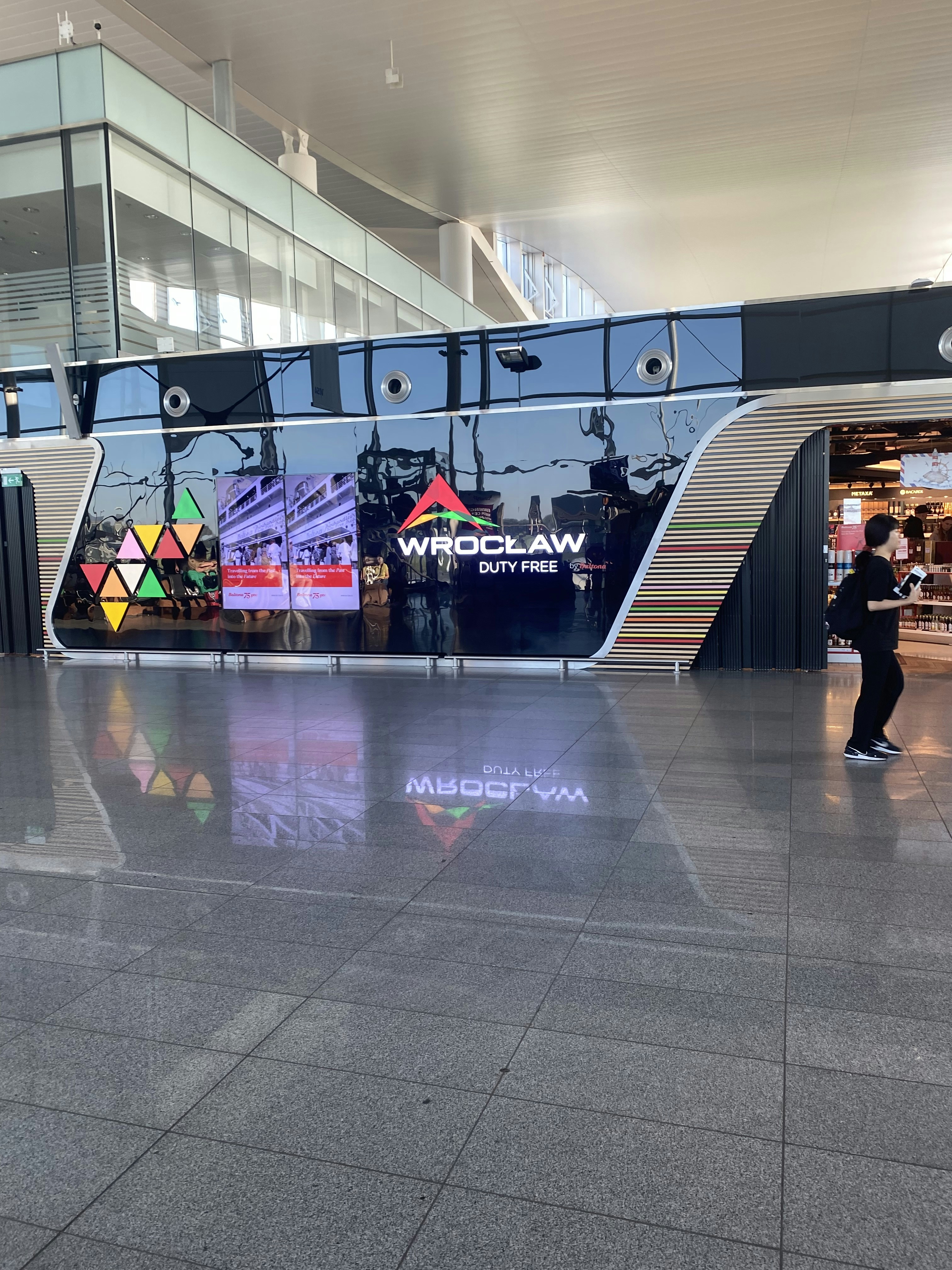
Duty-free shopping refers to the purchase of goods without the inclusion of certain local or national taxes and tariffs, typically available to international travelers. This form of shopping is primarily offered in specific areas such as international airports, sea ports, and border crossings, allowing travelers to obtain products at potentially lower prices than in conventional retail outlets. For many tourists, duty-free shops present a remarkable opportunity to acquire luxury items such as perfumes, cosmetics, alcohol, tobacco, confectionery, and electronics at competitive prices.
The concept of duty-free shopping operates on the premise that travelers are allowed to buy products without tax implications, thereby making it more financially attractive. When making purchases in these designated stores, the traveler must show proof of international travel, such as a passport and boarding pass, to benefit from such privileges. Consequently, duty-free shopping has gained popularity as a significant part of the travel experience, especially during international flights or cruises.
One of the principal advantages of duty-free shopping lies in the potential for substantial tax savings. Depending on the country of departure and arrival, consumers may find that the savings can amount to a considerable sum, especially on high-value items. Additionally, many duty-free shops offer exclusive brands and limited-edition products that are not readily available in local markets, enhancing the appeal for shoppers seeking unique souvenirs or gifts.
Moreover, the convenience factor cannot be overlooked; duty-free shops provide a streamlined shopping experience that caters to the needs of travelers on the go. With carefully organized layouts, a wide assortment of items, and efficient service, duty-free stores help ensure that busy travelers can make their purchases swiftly and enjoyably. Overall, duty-free shopping plays a pivotal role in enriching the travel experience by offering economic benefits, exclusive goods, and a high level of convenience.
Understanding Barcodes: A Brief Overview
Barcodes are a vital component of modern retail systems, providing an efficient means of data representation. They consist of a series of parallel lines or a matrix of squares, which encode information that can be scanned and interpreted by barcode readers. The concept of barcodes dates back to the early 1950s when Bernard Silver and Norman Woodland patented a form of optical scanning technology. Their innovation aimed to improve the inventory management process, which has since evolved into the sophisticated systems we use today.
At their core, barcodes serve the primary function of facilitating quick and accurate data capture. When a barcode is scanned, a unique identifier associated with a product is decoded, allowing retailers to track inventory levels, streamline transactions, and manage supply chains more effectively. The types of barcodes vary widely; among the most common are the Universal Product Code (UPC) and Quick Response (QR) codes. The UPC is primarily utilized in the retail sector for tracking items in stores, while QR codes have gained traction due to their capability to store more information and engage consumers through smartphones.
The technology underpinning barcodes is primarily composed of two elements: the barcode itself, which represents the data, and the scanner, which reads that data. Scanners can be handheld, stationary, or built into mobile devices, allowing for versatility in different shopping environments, including duty-free shops. This integration of scanning technology enhances the customer experience by reducing wait times, ensuring accurate pricing, and allowing for instantaneous inventory management.
Emphasizing their importance, barcodes play a crucial role in the efficient operation of retail businesses, while simultaneously improving the shopping experience for consumers. This technology has not only streamlined operations within the retail sector but has also laid the groundwork for ongoing advancements in inventory control and checkout processes across various industries.
How Barcodes Enhance Duty-Free Shopping
Barcodes have become an integral component of duty-free shopping, offering numerous advantages that significantly improve both operational efficiency and customer satisfaction. One of the primary benefits of barcode technology in duty-free stores is its ability to facilitate efficient inventory management. By implementing a barcode system, retailers can precisely track product quantities, monitor stock levels in real-time, and streamline replenishment processes. This enhanced visibility into inventory not only helps prevent stockouts but also ensures that popular items are consistently available for travelers, ultimately boosting sales and customer retention.
Moreover, barcodes expedite the checkout process, which is particularly crucial in duty-free environments where travelers often seek to make swift purchases. When customers present their items at the register, the cashier can scan the barcodes instantaneously, allowing for quick price retrieval and minimizing wait times. This speed not only enhances the shopping experience but also enables retailers to serve more customers efficiently, particularly during peak travel seasons when foot traffic can be substantial.
Additionally, the utilization of barcodes contributes to a significant reduction in pricing and stock level errors. Traditional methods of tracking inventory and pricing often involve manual entry, which is prone to human error. In contrast, barcode scanning automates these tasks, ensuring accuracy in product pricing and inventory counts. This accuracy is especially vital in duty-free shopping, where mispricing can lead to customer dissatisfaction and operational challenges. By minimizing errors, barcodes not only streamline store operations but also foster a more trustworthy environment for consumers and enhance their overall shopping experience.
The Impact of Barcodes on Inventory Management in Duty-Free Stores
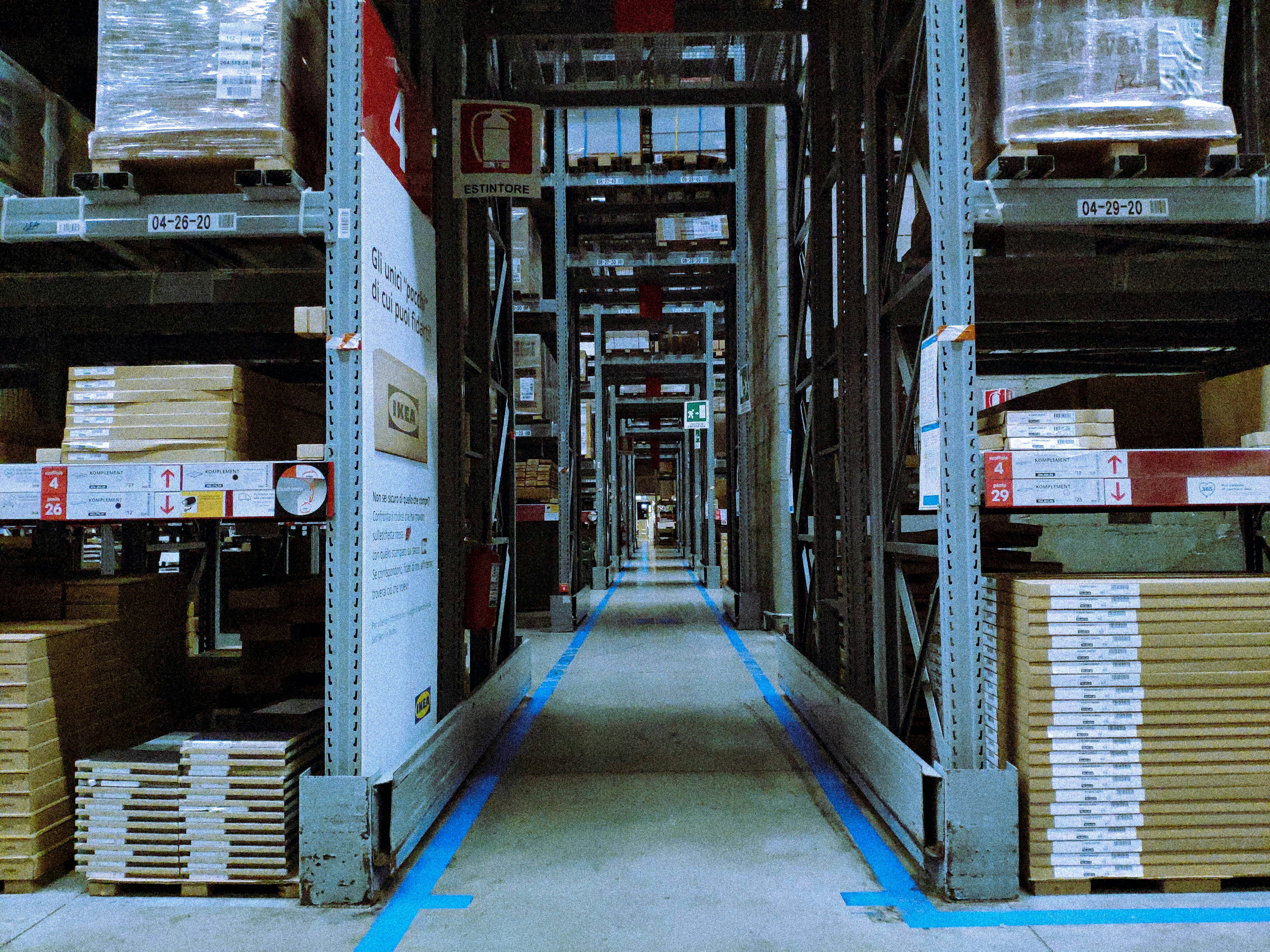
Barcodes play a pivotal role in inventory management for duty-free stores, significantly enhancing operational efficiency. These linear or matrix codes are scanned at various points in the inventory lifecycle, allowing for real-time tracking of products. With the implementation of barcode systems, retailers can effortlessly monitor stock levels, ensuring that popular items are readily available for travelers.
One of the primary advantages of using barcodes in inventory management is the automation of stock monitoring. Traditional methods, which relied heavily on manual counting and record-keeping, are often prone to errors and inconsistencies. In contrast, barcode technology facilitates instant updates to inventory records every time a product is scanned during a purchase or restocking. This immediate feedback loop allows stores to maintain optimal inventory levels, minimizing both overstock and stockouts.
Furthermore, barcodes streamline the reordering processes. Retailers can set predefined thresholds for their inventory items; once levels fall below a certain point, automated systems can trigger reorder notifications. This accelerates the replenishment of goods, ensuring that duty-free stores maintain an adequate supply of popular items throughout the travel season, ultimately enhancing customer satisfaction.
Minimizing loss through better tracking of products is another crucial benefit of barcode use in inventory management. By providing a comprehensive overview of product movement, these systems help identify discrepancies between recorded inventory and actual stock. This capability not only aids in detecting theft or accounting errors but also ensures better compliance with industry regulations. Overall, the integration of barcodes in duty-free shopping environments not only promotes efficiency but also elevates the traveler’s shopping experience. The operational advantages gained through effective inventory management ensure that retailers are always prepared to meet the demands of their customers.
Barcodes and Customer Experience: A Seamless Shopping Journey
Barcodes have transformed the customer experience in duty-free shopping, significantly enhancing the convenience and efficiency of the purchasing process. One of the most notable innovations is the implementation of mobile scanning applications, which allow travelers to scan items directly from their smartphones. These applications provide real-time pricing and product information, enabling customers to make informed decisions without having to wait for assistance from store employees. By integrating barcodes with mobile technology, duty-free shops create a more engaging and autonomous shopping environment, tailored to the needs of modern consumers.
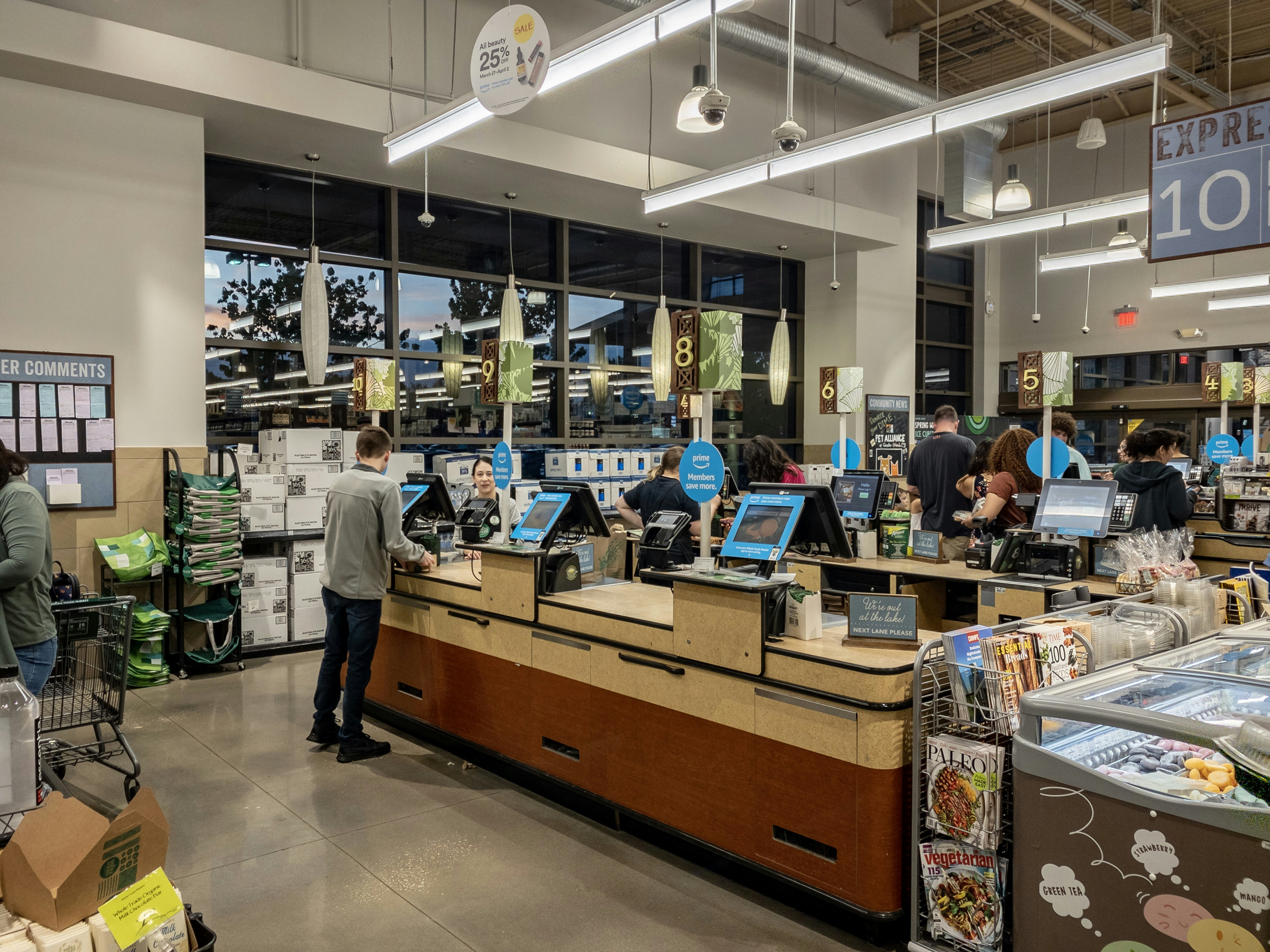
Additionally, self-checkout options powered by barcode scanning have emerged as a popular feature in many duty-free stores. These kiosks enable customers to complete their purchases independently, minimizing wait times and reducing congestion at traditional checkout counters. The streamlined process afforded by barcodes ensures swift transactions, which is particularly beneficial given the time constraints travelers often face. By providing a self-service alternative, stores not only enhance operational efficiency but also empower customers to control their shopping experience.
Furthermore, barcodes play a crucial role in facilitating personalized promotions, which are made possible through customer loyalty programs. By scanning a loyalty card or mobile app at checkout, customers can receive tailored discounts and special offers on their purchases. This customization not only fosters a sense of value among shoppers but also encourages repeat visits to duty-free stores. Such promotions, linked directly to the products identified by barcodes, demonstrate how the integration of technology enhances the overall traveler experience, making it more enjoyable and rewarding.
The combination of mobile scanning, self-checkout systems, and personalized promotions exemplifies the impact of barcodes in duty-free shopping. By improving the efficiency and enjoyment of the shopping journey, these innovations effectively cater to the needs of today’s travelers.
Challenges and Limitations of Barcode Use in Duty-Free Retail
The implementation of barcodes in duty-free shopping, while beneficial, is not devoid of challenges and limitations. One major issue is technology integration. Duty-free retailers often operate in various environments, including airports, which can present unique infrastructural demands. Existing Point-of-Sale (POS) systems may need significant upgrades or replacements to accommodate new barcode technology. Inadequate infrastructure can lead to transaction delays, negatively impacting the customer experience and overall operational efficiency.
Additionally, the successful adoption of barcode technology relies heavily on effective staff training. Employees must understand how to operate barcode scanners and handle any issues that arise, such as scanning failures or software glitches. Insufficient training can result in slow service, leading to customer dissatisfaction. Ensuring that staff are adequately trained also requires investment in time and resources, which can be challenging for duty-free retailers often facing competitive pressures.
Another limitation to consider is the occasional inaccuracy that arises during the scanning process. Barcodes may become damaged or obscured, leading to misreads. Such inaccuracies can disrupt transactions and cause frustration for both staff and customers. Furthermore, discrepancies between the scanned price and the advertised price could lead to disputes, eroding trust in the retailer and potentially impacting sales.
These challenges highlight the necessity for duty-free retailers to carefully consider their readiness for integrating barcode technology. Addressing infrastructure needs, committing to staff training, and developing protocols for managing scanning inaccuracies are essential steps for maximizing the benefits of barcodes in enhancing the duty-free shopping experience.
Future Trends: The Evolution of Barcode Technology in Retail
The future of barcode technology in the duty-free shopping sector is set to undergo significant transformation driven by advancements in digital innovation and consumer preferences. As technology continues to evolve, barcodes are likely to adopt more sophisticated forms, such as Radio Frequency Identification (RFID) tags. Unlike traditional barcodes, which require line-of-sight scanning, RFID tags can be read without direct contact, allowing for faster and more efficient inventory management and check-out processes. This is particularly beneficial in the bustling environment of duty-free shops, where speed and efficiency are crucial for keeping travelers happy.
Another emerging trend is the integration of mobile payment systems with barcode technology. As more consumers embrace the convenience of mobile wallets, the ability to scan barcodes directly from smartphones will enhance the shopping experience. Retailers in the duty-free sector could leverage mobile applications that seamlessly integrate with barcodes to facilitate contactless payments. This integration not only streamlines the purchasing process but also adds a layer of safety, minimizing physical interactions that have become increasingly important in the wake of the global pandemic.
Moreover, the rising popularity of personalized shopping experiences is likely to intersect with barcode technology. Retailers may utilize data captured through scanning to tailor offers and promotions to individual travelers, creating a more engaging shopping experience. For instance, scanning a barcode could trigger personalized advertisements or discounts based on previous purchases or preferences, making the overall journey through duty-free shops more enjoyable and targeted.
These advancements in barcode technology will not only enhance operational efficiency but also significantly reshape the customer experience in duty-free retail. As the industry continues to innovate, the combination of RFID tags, mobile payment integration, and personalized service will redefine how travelers interact with products in borderless shopping environments.
Case Studies: Successful Implementation of Barcodes in Duty-Free Shops
The integration of barcode technology in duty-free shopping has demonstrated numerous advantages, enhancing both operational efficiency and customer experience. One prominent case is the implementation of barcode systems at the Heathrow Airport duty-free shops. Faced with long wait times and inventory inaccuracies, management decided to introduce a comprehensive barcode system across their retail outlets. By assigning unique barcodes to each product, they achieved streamlined inventory management and significantly reduced checkout times. This transition led to improved customer satisfaction, as travelers could swiftly complete their purchases, allowing more time for leisure before their flights.
Another illustrative example emerges from the Dubai Duty-Free shops. The organization encountered challenges related to stock visibility and loss prevention. To mitigate these issues, they adopted a sophisticated barcode solution that not only tracked inventory levels but also allowed for better data collection on customer buying patterns. The barcodes provided real-time information regarding stock availability, enabling the store to respond promptly to demand fluctuations. This strategic move not only enhanced operational efficiency but also facilitated tailored marketing campaigns based on purchasing trends, ultimately boosting sales figures.
Moreover, the success of barcode technology is evidenced in the Korean Air Duty-Free shop, which experienced substantial improvements post-implementation. By utilizing mobile app integration with barcode scanning, customers enjoy the convenience of browsing the entire inventory from their smartphones. This method enables travelers to create wish lists and access promotions more efficiently, resulting in a more enjoyable shopping experience. In parallel, the shop benefitted from accurate sales data, which aided in inventory forecasting and optimized reordering processes.
These case studies illustrate how duty-free shops leverage barcode technology to overcome challenges, enhance operational capabilities, and meet the needs of the modern traveler. By embracing this innovative approach, they not only streamline their business operations but also significantly improve the overall consumer experience.
Conclusion
Barcodes have emerged as a pivotal element in the realm of duty-free shopping, transforming the way travelers engage with retail environments. Their integration into various aspects of this shopping experience has not only improved efficiency but also enhanced the overall effectiveness of transactions. By allowing for rapid scanning and processing of products, barcodes facilitate a smoother shopping experience, enabling customers to make informed decisions quickly while minimizing wait times at checkout points.
In today’s fast-paced retail landscape, the synergy between technology and consumer convenience cannot be overstated. Barcodes serve as a vital link in this synergy, enabling duty-free shops to manage inventory effectively, track sales, and maintain accurate data. This capability is particularly important in environments where travelers are often faced with time constraints and the desire for a seamless experience. The automation of pricing, stock levels, and sales transactions through barcode technology not only streamlines operations for retailers but also provides travelers with a hassle-free shopping journey.
Moreover, the role of barcodes extends beyond mere convenience; it encompasses the ability to enhance security and reduce human error during transactions. By minimizing the manual entry of product information, barcodes help diminish the risks associated with inaccuracies and potential losses. As the duty-free shopping sector continues to evolve, the reliance on barcode technology will undoubtedly shape its future, paving the way for innovative solutions that further enhance the traveler’s experience.
In conclusion, barcodes are essential to modern duty-free shopping. They epitomize the intersection of technology and retail, underscoring their significance in streamlining operations and enriching consumer engagement. As this sector progresses, the continued evolution of barcode technology will play a critical role in defining the shopping experience for global travelers.
© barcodly.com- All rights reserved