Introduction to Smart Cities
Smart cities represent a contemporary urban development model that integrates advanced technologies to enhance the overall functionality and livability of urban spaces. These cities leverage digital innovations such as the Internet of Things (IoT), big data analytics, and artificial intelligence to optimize services and improve the quality of life for citizens. By incorporating various technologies into established infrastructures, smart cities aim to address critical challenges such as traffic congestion, energy consumption, and waste management.
One of the defining characteristics of smart cities is their commitment to sustainability. Through the utilization of digital tools, urban areas can achieve greater efficiency in resource allocation. For instance, smart energy grids facilitate better energy distribution, while smart water management systems help conserve precious water resources. Furthermore, by promoting the use of public transportation and implementing intelligent traffic management systems, smart cities aim to reduce carbon footprints and enhance environmental sustainability.
Another essential feature of smart cities is their focus on improving the quality of life for residents. The integration of technology in urban planning leads to enhanced public services, such as health care, education, and public safety. Real-time data collection helps in making informed decisions that cater to community needs, while providing tools that allow residents to engage with local government. This interaction fosters a sense of civic responsibility and community, as citizens directly participate in shaping their urban environment.
Smart cities thus emerge as a transformative urban concept that employs technology to create efficient, sustainable, and livable environments. As urban populations continue to grow, the role of smart technologies will become increasingly vital in tackling the complexities associated with modern urbanization, ensuring that cities remain resilient to future challenges.
Understanding Barcodes
Barcodes are specialized visual representations of data designed to be easily scanned and read by electronic devices. They consist of a sequence of parallel lines and spaces, which encode information in an automated manner, allowing for efficient data entry and management. The primary role of barcodes is to facilitate the collection of data through scanning rather than manual entry, reducing errors and improving efficiency in various applications across many industries.
There are primarily two types of barcodes: one-dimensional (1D) and two-dimensional (2D) barcodes. 1D barcodes, often seen in retail settings, represent data in parallel lines, which can be read horizontally. Common examples include the Universal Product Code (UPC) and Code 39. These barcodes typically encode up to twenty alphanumeric characters, making them suitable for identifying products, inventory tracking, and point-of-sale operations.
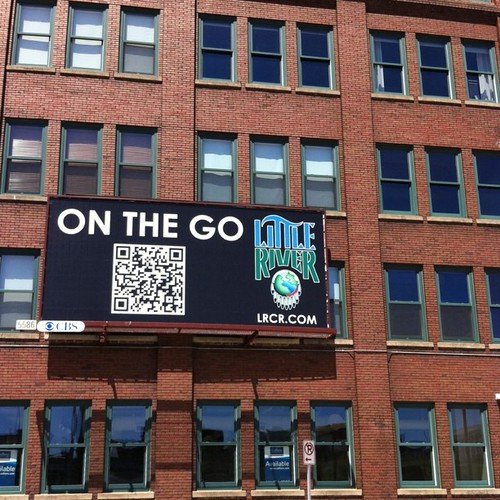
On the other hand, 2D barcodes, such as QR (Quick Response) codes, utilize squares or dots arranged in a grid pattern. This type allows for more data to be stored, accommodating hundreds of characters in a single code. QR codes are particularly popular in marketing and smart applications, providing quick access to websites, promotions, and other digital content through mobile devices. They can be scanned from various angles, offering greater flexibility and ease of use compared to their 1D counterparts.
Barcodes function through a combination of images and appropriately calibrated scanners, which can interpret the patterns created by these visual symbols. Scanning devices convert these patterns into readable data, which can then be utilized for inventory management, customer tracking, and analytics. The technology behind barcode scanning continues to evolve, integrating with more sophisticated systems for enhanced performance and adaptability within smart cities.
Barcodes as a Tool for Urban Management
In the contemporary landscape of urban development, barcodes serve as a vital resource in managing an array of urban services and infrastructure. Their integration into smart city frameworks enhances the efficiency of operations, making urban management not only more effective but also transparent. One of the primary applications of barcodes is in public transportation systems. By tagging vehicles, stops, and individual ticketing, cities can streamline transit operations. This enables better tracking of not only buses and trains but also the passengers, leading to improved service delivery and increased rider satisfaction.
Moreover, barcodes facilitate enhanced waste management processes. Waste collection vehicles can be equipped with barcode scanners to log collections in real time. This not only allows municipalities to monitor waste pickup frequencies but also ensures compliance with scheduled services. The data gathered can be analyzed to optimize routes, reducing fuel consumption and labor costs. Consequently, the incorporation of barcodes in waste management results in more sustainable practices while maintaining cleanliness and orderliness in urban environments.
Logistics is another critical area where barcodes significantly contribute to urban management. With the increase in e-commerce and the need for delivery services, effective tracking and monitoring of packages have become paramount. Barcodes enable swift scanning during the delivery process, ensuring that packages are accounted for and delivered accurately. This capability not only increases operational visibility but also improves customer trust and satisfaction, which is essential for thriving urban markets.
Additionally, barcode systems enhance transparency within city operations. By digitizing and streamlining management systems, local governments can share relevant data with citizens, fostering accountability. As cities become smarter and more interconnected, barcodes will continue to be instrumental tools in optimizing urban management strategies, ensuring that resources are utilized efficiently for the betterment of all urban residents.
Enhancing Public Safety with Barcodes
In the context of smart cities, barcodes serve a pivotal role in enhancing public safety through various applications. One prominent application is asset tracking, which is essential for the efficient management of resources and infrastructure. By implementing barcode systems, municipalities can monitor public assets such as vehicles, equipment, and emergency supplies. This real-time tracking enables city officials to respond swiftly to incidents, ensuring that critical resources are appropriately allocated during emergencies.
Moreover, barcodes provide a streamlined approach to emergency management. In crisis situations, first responders need immediate access to accurate information concerning locations, resources, and plans of action. Barcodes can be utilized on important documents, equipment, or even in infrastructure to quickly present vital data. For instance, first responders scanning barcodes on hazardous materials can retrieve crucial safety information instantaneously, enabling them to make informed decisions and protect both themselves and the public more effectively.
Additionally, various safety protocols and procedures can be optimized through the use of barcodes. In public venues, barcoding systems can be employed for crowd control and emergency evacuation procedures. For example, entry and exit points may incorporate barcode scanners, allowing for real-time monitoring of occupancy levels. This capability can help identify overcrowded areas during events or alert authorities to potential threats. Stores, transportation hubs, and public spaces can integrate barcode technologies to streamline safety inspections and enhance compliance with regulations, ensuring a secure environment for all residents and visitors.
Ultimately, as smart cities evolve and adopt advanced technologies, the integration of barcodes in public safety initiatives represents a significant advancement. By facilitating asset tracking, enhancing emergency management, and improving safety protocols, barcodes are instrumental in fostering a safer urban environment.
Barcodes and Retail in Smart Cities
In the context of smart cities, barcodes have emerged as a crucial component in enhancing the retail experience. The integration of barcode technology within urban retail environments enables businesses to streamline their operations while providing consumers with a more efficient shopping experience. One of the primary applications of barcodes in retail is in inventory management. By utilizing barcode scanning systems, retailers can maintain accurate stock levels, thus minimizing the risk of overstocking or stockouts. This results not only in better resource allocation but also in improved customer satisfaction, as products are more readily available.
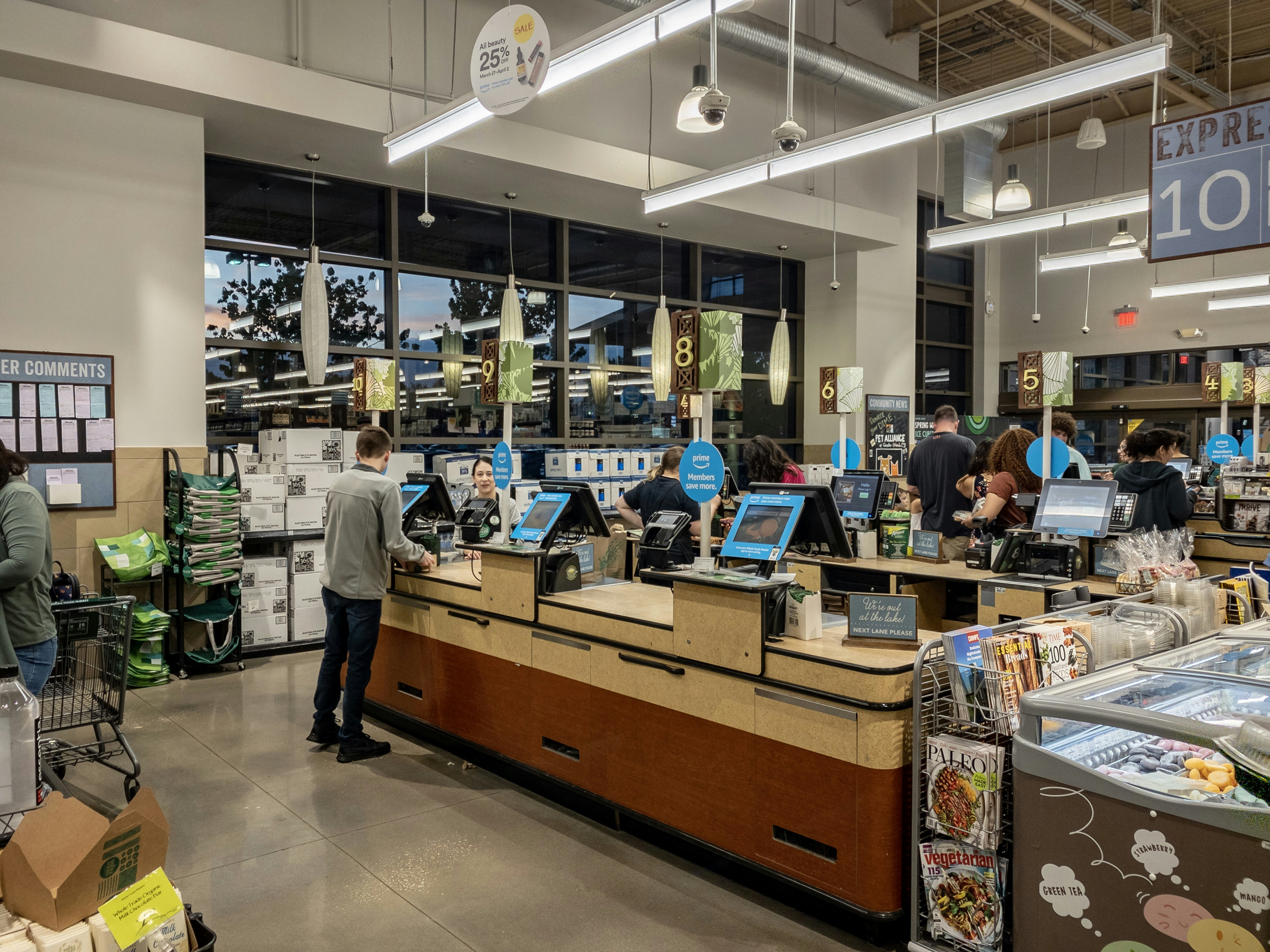
Furthermore, barcodes play an instrumental role in point-of-sale (POS) systems. By incorporating barcode scanners at checkout stations, retailers can expedite the scanning process, reducing wait times for consumers. The quick processing of sales transactions allows for higher customer turnover rates, ultimately increasing revenue potential. Additionally, with the advent of mobile payment apps and self-checkout kiosks, barcodes facilitate seamless transactions, which further cater to the evolving preferences of today’s tech-savvy shoppers.
Moreover, utilizing barcodes supports personalized marketing strategies based on customer data. Retailers can collect and analyze purchasing patterns by linking barcode scans to individual customer profiles. This data-driven approach facilitates targeted promotions, enhancing customer engagement and loyalty. Retailers can deploy tailored offers that resonate with a consumer’s purchase history and preferences, thereby increasing the likelihood of repeat business.
In conclusion, barcodes have become indispensable tools within the retail sector of smart cities. From optimizing inventory management and enhancing POS systems to enabling personalized marketing efforts, the impact of barcode technology is profound. As smart city initiatives expand, the integration of barcodes will likely continue to evolve, further enriching the retail landscape and improving the consumer experience.
Impact on Transportation and Logistics
The integration of barcodes within transportation and logistics has become increasingly significant in the context of smart cities. These systems utilize barcode technology to enhance the efficiency and effectiveness of various operations. By implementing barcodes, municipalities can achieve real-time tracking of vehicles, which is critical for both public transit systems and freight logistics. This capability allows for better monitoring of transportation assets, thereby minimizing delays and streamlining services.
For public transit, barcodes serve multiple purposes. They can be found on transit passes and tickets, facilitating seamless boarding and payment processes. This not only enhances the commuter experience but also allows transit agencies to gather data on ridership patterns. By analyzing this data, cities can optimize routes and schedules, ensuring that resources are allocated efficiently, ultimately reducing congestion during peak hours.
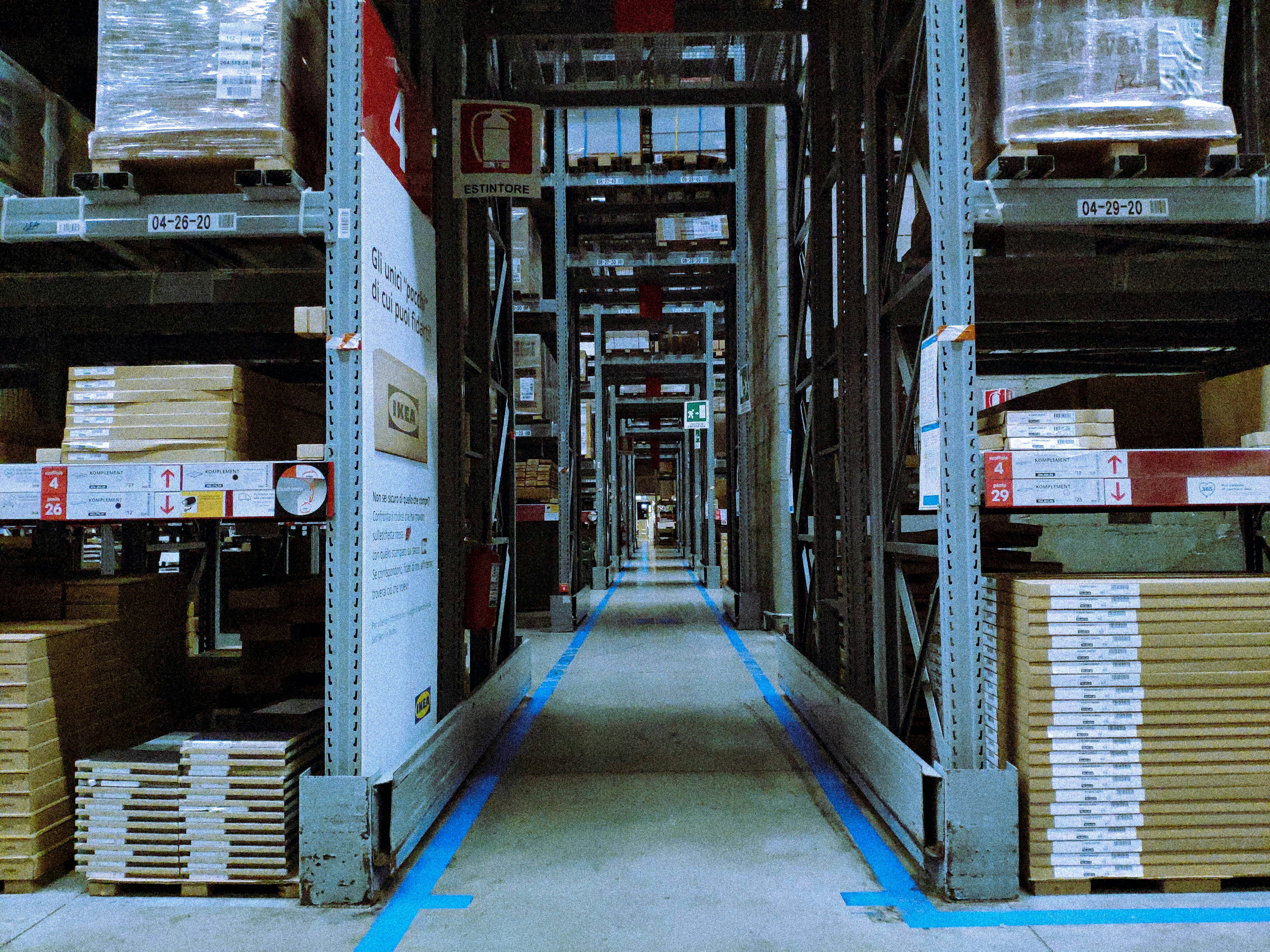
In logistics, barcodes play a pivotal role in supply chain management. They enable companies to track inventory levels and shipments with precision. When goods are shipped within urban environments, the use of barcodes can significantly reduce errors and improve delivery times. Barcodes assist in managing warehouse operations by allowing for quick and accurate scans of incoming and outgoing products. This enhances inventory accuracy, thus reducing excess stock and minimizing waste.
Furthermore, the application of barcodes in urban logistics accommodates the dynamic demands of city life. By leveraging real-time tracking, transportation companies can quickly adapt to changing conditions and optimize routes for deliveries. This agility not only improves service delivery but also contributes to overall urban sustainability by reducing traffic congestion and emissions. As cities continue to evolve, the importance of barcodes in transportation and logistics will likely expand, making them indispensable in the development of smart urban ecosystems.
Barcodes in Healthcare Management
Barcodes have evolved into an indispensable tool within the healthcare sector, especially in the context of smart cities. Their implementation significantly impacts various aspects of hospital and clinic operations, primarily in areas such as patient identification, medication management, and overall operational efficiencies.
One of the primary applications of barcodes in healthcare is patient identification. When patients enter a healthcare facility, they are often assigned unique barcode identifiers that link to their electronic health records. This process reduces errors related to patient misidentification, ensuring that patients receive appropriate treatments and medications. Moreover, barcode scanning technologies facilitate streamlined admission processes, leading to better patient experiences and improved care coordination among healthcare providers.
In addition to patient identification, barcodes play a crucial role in medication management. By implementing barcode medication administration (BCMA) systems, hospitals can verify the right patient, medication, dose, and time before administration. This system minimizes the risk of medication errors and enhances patient safety, thereby significantly contributing to the quality of care in smart city healthcare settings. Additionally, barcodes can be utilized in tracking medication inventory, ensuring that healthcare providers have timely access to the necessary pharmaceuticals, which is particularly crucial during emergencies.
Furthermore, the operational efficiencies brought about by barcode technology are worthwhile to note. Facilities can automate various processes, such as inventory management and equipment tracking, leading to reduced waste and more effective resource allocation. This not only allows for better financial management but also supports a more organized and timely provision of healthcare services. Overall, the integration of barcodes in healthcare management within smart cities exemplifies how technology can enhance both patient care and operational performance.
Challenges and Limitations of Barcode Technology
While barcode technology plays a crucial role in enhancing the efficiency and functionality of smart cities, it is not without its challenges and limitations. One of the primary issues is the reluctance of various stakeholders to adopt this technology. Many organizations and individuals may be hesitant due to a lack of understanding of its benefits, perceived complexity, and potential costs associated with implementation. This resistance can slow the progress of integrating barcode systems into the existing urban framework, ultimately hindering the development of a fully functional smart city.
Data security is another pressing challenge associated with barcode technology. With the increasing reliance on digital systems, the potential for cyber threats rises, posing risks to sensitive information captured through barcode scanning. Ensuring that these systems are protected against hacking and unauthorized access is paramount. Additionally, the encryption and security protocols must evolve continuously to address emerging threats, necessitating ongoing investment in cybersecurity measures.
Integration with existing infrastructures presents another limitation for cities seeking to adopt barcode technology. Many urban environments possess legacy systems that may not easily accommodate the new barcode solutions. The integration process can be complicated, requiring significant technical expertise and resources. Furthermore, achieving interoperability between various systems can be challenging, as companies often utilize proprietary technology that may not be compatible with standards in the barcode ecosystem. As cities strive to become smarter and more efficient, these obstacles need to be navigated carefully to leverage the full potential of barcode technology.
Addressing these challenges is essential for the successful deployment of barcode systems in smart cities. By fostering collaboration among stakeholders, investing in education and training, and prioritizing robust security measures, cities can work towards overcoming these limitations and fully realize the transformative power of barcode technology.
Future Trends: The Evolution of Barcodes in Urban Environments
As urban areas continue to evolve into smart cities, the role of barcode technology is poised to undergo significant transformation. Emerging innovations, particularly in the realms of the Internet of Things (IoT) and artificial intelligence (AI), are set to enhance the functionality and application of barcodes within urban environments. Barcodes, which are primarily used for tracking and identifying products, will increasingly serve as vital components in various smart city infrastructures.
One noteworthy trend is the integration of barcodes with IoT devices, allowing for real-time data gathering and analysis. When barcodes are coupled with sensors and connected devices, they enable streamlined inventory management, efficient waste tracking, and improved logistics in urban settings. This real-time interaction facilitates enhanced decision-making processes, ultimately leading to a more effective and responsive urban environment. For instance, waste management systems that utilize barcodes can track waste collection and recycling efforts, contributing to higher levels of sustainability.
Moreover, advancements in AI will likely refine barcode scanning technology. AI-driven algorithms can improve the accuracy of barcode scanning, enabling faster processing of transactions and enhanced customer experiences at retail outlets. The increased efficiency of these systems can lead to reduced wait times in various services, contributing to an overall better quality of life for urban residents.
Another evolution in the barcode landscape revolves around the use of two-dimensional (2D) barcodes, such as QR codes. These codes can store more information than traditional one-dimensional barcodes, which enhances their usefulness in the age of smart technology. As urban dwellers increasingly rely on mobile devices for interactions, 2D barcodes may become crucial for delivering a range of services, including digital tickets for public transport and contactless payments.
In conclusion, the future of barcodes in urban environments will be shaped by technological advancements and an increasing commitment to smart city initiatives. The synergies between barcodes, IoT, and AI are expected to redefine urban living, making cities more interconnected, efficient, and conducive to innovative solutions.
© barcodly.com- All rights reserved