Introduction to Smart Retail
Smart retail represents a significant evolution in the retail industry driven by technological advancements. This innovative concept leverages various digital tools and technologies to create a seamless and enhanced shopping experience for consumers. As traditional retail methods struggle to meet changing consumer demands, smart retail empowers businesses to adapt by employing automated systems and intelligent solutions. These improvements not only elevate operational efficiency but also foster a more connected environment between retailers and customers.
With the rising integration of the Internet of Things (IoT), data analytics, and artificial intelligence, retailers are adopting smart technologies to streamline their operations. For instance, smart shelves equipped with sensors can monitor stock levels and send alerts when inventory is low, which reduces the chance of stockouts and improves customer satisfaction. This real-time data management facilitates better decision-making and enhances operational strategies that align with consumer preferences.
Furthermore, smart retail enhances customers’ shopping experiences through personalized services and targeted marketing. Utilizing data collected from customer interactions and transactions, retailers can tailor promotions and recommendations that resonate with individual preferences. This level of customization not only increases consumer engagement but also builds brand loyalty in an increasingly competitive market.
In this context, barcodes play an indispensable role. They are vital components of the smart retail infrastructure, enabling the efficient tracking of inventory, minimizing human error, and expediting the checkout process. By integrating barcodes with smart technology, retailers can achieve a holistic system that promotes efficiency and convenience. Thus, the shift towards smart retail signifies a transformative force, paving the way for an enhanced and more connected shopping experience.
Understanding Barcodes and Their Functionality
Barcodes have become an indispensable part of modern retail, serving as a critical tool for inventory management and sales tracking. At their core, a barcode is a machine-readable representation of data that encodes product information. The most common types of barcodes are one-dimensional (1D) and two-dimensional (2D) barcodes. 1D barcodes, such as the Universal Product Code (UPC), consist of a series of vertical lines and spaces that vary in width, representing numeric values. In contrast, 2D barcodes, like Quick Response (QR) codes, can encode a larger amount of information, including text and links, by using a grid of squares.
The process of creating a barcode begins with the design of the specific encoding system. When a product is developed, a unique identifier is assigned, typically linked to a database that holds detailed information about the item, such as price, description, and stock levels. This identifier is then transformed into a barcode format that scanners can easily process. Each barcode comprises a series of patterns that signify different characters or data points, organized in a fixed structure so that scanners can interpret them accurately.
Scanning technology plays a crucial role in the functionality of barcodes. When a barcode is scanned, a laser or imaging scanner emits light onto the barcode and captures the reflection. The scanner then analyzes the light patterns and converts them into electrical signals that correspond to the encoded data. This efficient process allows retailers to streamline operations, reduce human error, and manage inventory in real time. Various barcode types, such as Code 39, QR codes, and Data Matrix codes, each serve unique purposes and offer different capabilities, catering to diverse retail needs. Overall, understanding the functionality of barcodes highlights their essential role in the evolving landscape of smart retail.
The Integration of Barcodes into Smart Retail Systems
In the rapidly evolving landscape of retail, the integration of barcodes into smart retail systems has proven to be a cornerstone of operational efficiency and customer satisfaction. Barcodes serve as essential tools for various retail applications, seamlessly connecting inventory management systems, point of sale (POS) systems, and customer interaction platforms. This interconnectedness allows retail businesses to streamline their operations while enhancing the overall shopping experience.
Barcodes facilitate precise inventory management by enabling real-time tracking of stock levels and product movements. When a product is scanned at the point of sale, the barcode communicates vital information to the inventory management system, updating stock counts instantaneously. This capability helps retailers maintain optimal inventory levels, minimizing the risk of overstocking or stockouts. Furthermore, with advanced barcode scanning technology, businesses can quickly identify and address inventory discrepancies, ensuring that accurate data is continuously maintained.
In addition to their role in inventory management, barcodes are integral to POS systems. By scanning a product’s barcode, the cashier can rapidly process transactions, leading to shorter wait times for customers. This efficiency not only enhances the customer experience but also allows retailers to handle a higher volume of sales, ultimately boosting profitability. The integration of barcodes into POS systems also simplifies the process of returns and exchanges, as the system can swiftly retrieve product information associated with the barcode.
Finally, the use of barcodes extends to customer interaction platforms, empowering retailers to provide personalized shopping experiences. By integrating barcode data with customer profiles, businesses can tailor marketing strategies and promotions based on purchasing behaviors. Thus, the integration of barcodes into smart retail systems is not merely about efficiency; it also fosters deeper connections between retailers and their customers, enhancing loyalty and satisfaction. As the retail sector continues to innovate, the role of barcodes will remain pivotal in ensuring success and sustainability.
Enhancing Inventory Management with Barcodes
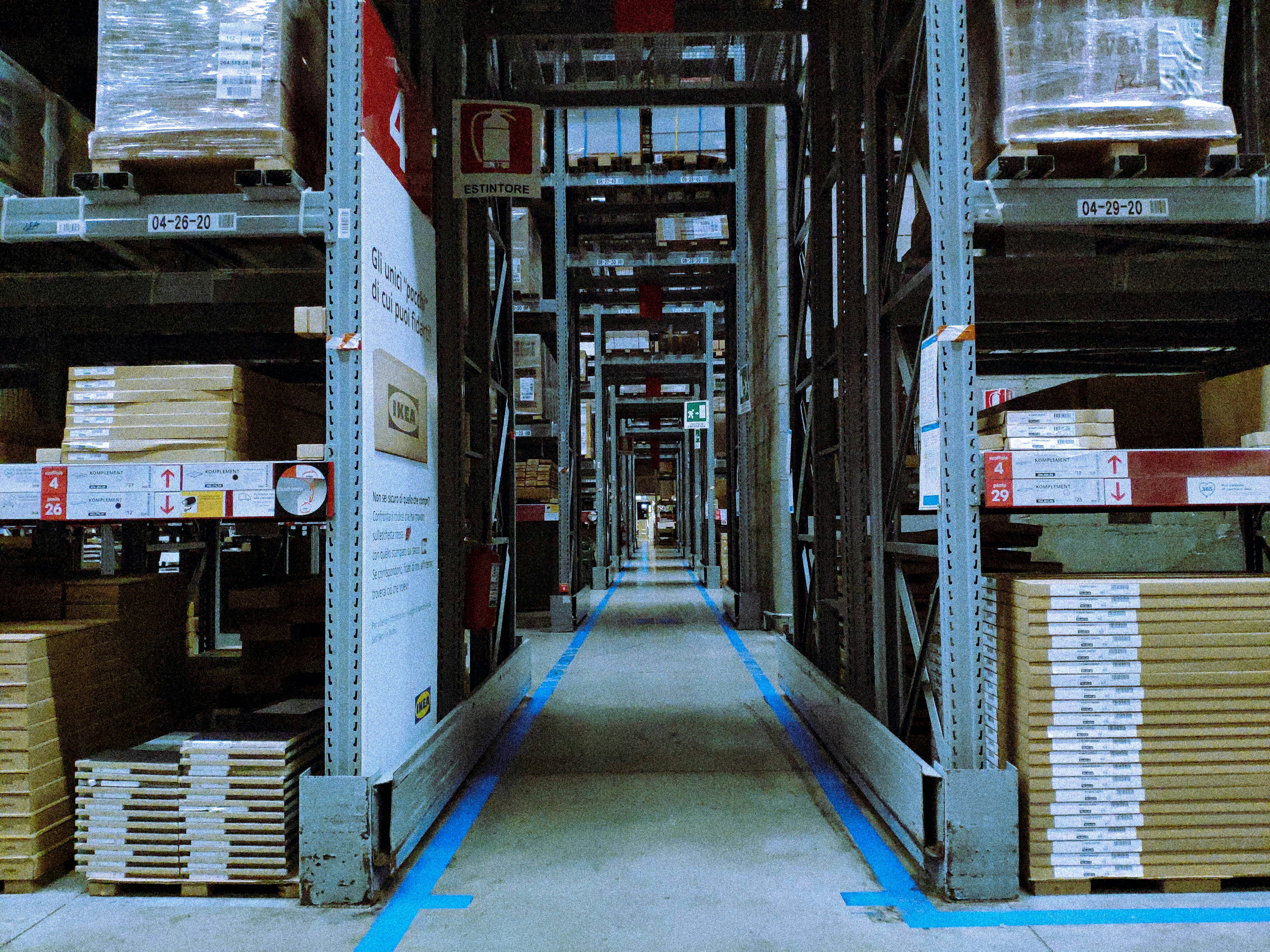
Barcodes have become an integral component of inventory management in smart retail, providing an efficient means to track stock levels and movements. The precise tracking capabilities of barcodes allow retailers to maintain accurate inventory counts, minimizing discrepancies that often arise from manual logging methods. This enhanced tracking leads to an organized inventory system that can significantly reduce any potential losses due to overstocking or stockouts.
One of the primary advantages of using barcodes in inventory management is the substantial reduction of human error. Traditional inventory management techniques often involve manual data entry, which is susceptible to mistakes. By implementing barcode technology, retailers can automate the data collection process, ensuring that items are scanned as they move in and out of the inventory. This not only improves accuracy but also enhances the overall efficiency of operations.
Furthermore, barcodes streamline the restocking process. When inventory levels fall below a predetermined threshold, barcode scanners can quickly identify which products need replenishing. This speed in restocking ensures that customers find the products they desire readily available, thereby enhancing customer satisfaction. Additionally, barcode systems can automate reordering processes, enabling retailers to maintain optimal inventory levels without constant oversight.
Another notable benefit of utilizing barcodes is the provision of real-time data analytics. Retailers can leverage the valuable insights gained through barcode scanning to make informed decisions about inventory management. By analyzing patterns in sales data and inventory turnover, retailers can adjust their stock levels and product assortments based on actual consumption trends. As a result, barcodes enhance not only operational efficiency but also strategic planning in inventory management, further solidifying their essential role in smart retail environments.
Streamlining the Checkout Process
In the fast-paced world of retail, the efficiency of the checkout process is critical to customer satisfaction. Barcodes have revolutionized this process, enabling retailers to streamline transactions significantly. Upon entering a store, customers expect a seamless shopping experience, and the use of barcodes plays an essential role in achieving this.
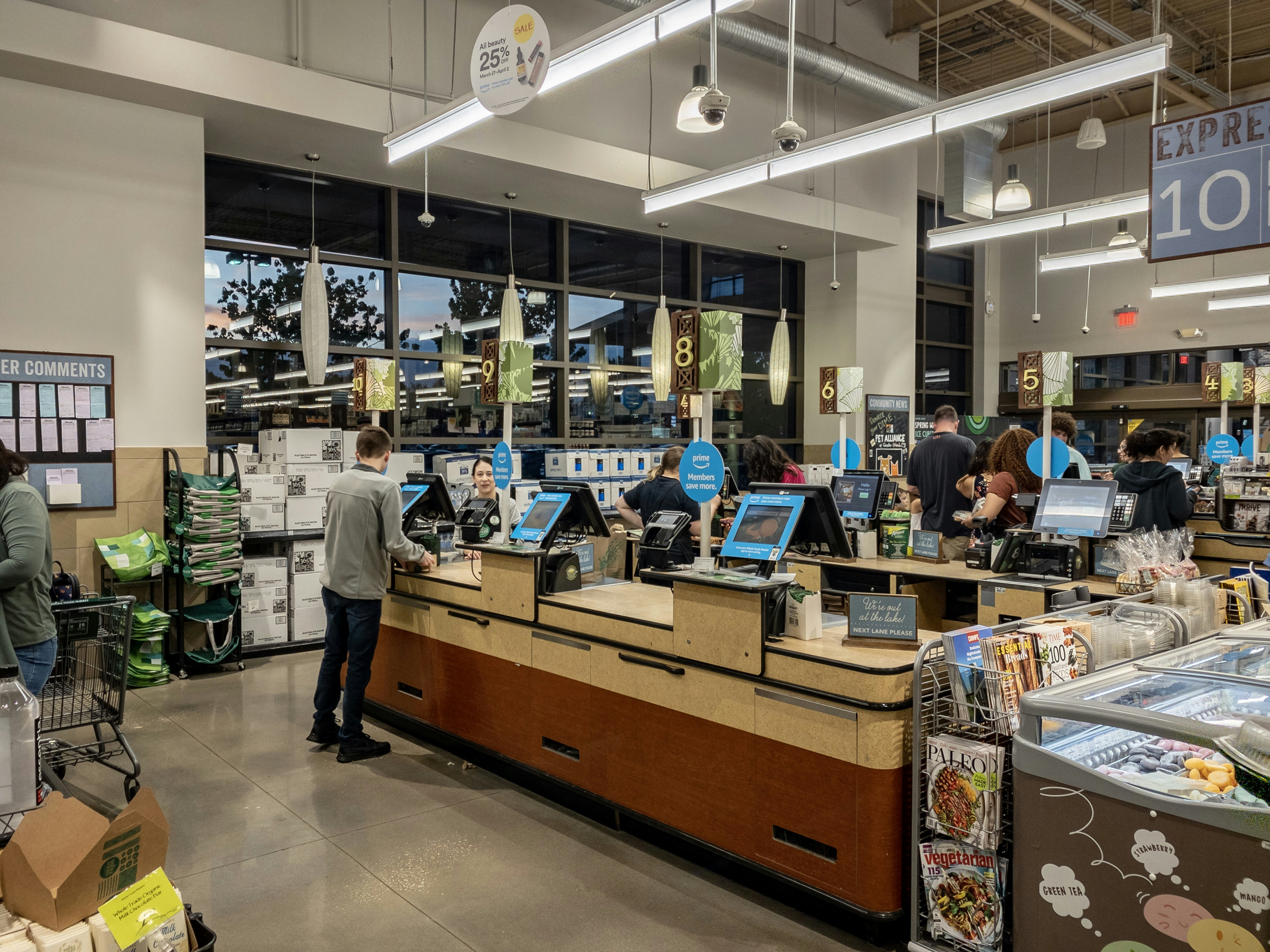
Barcode scanning technology allows cashiers to quickly and accurately scan items, greatly speeding up the checkout process. Unlike traditional manual entry methods, which are prone to human error, scanning barcodes provides a rapid and precise way to tally purchases. This efficiency minimizes wait times for customers, which is often a key factor in their overall satisfaction. By reducing transactional delays, retailers can increase throughput during peak shopping hours, accommodating more customers and improving service levels.
Moreover, the automation introduced by barcode systems enhances the overall shopping experience by allowing cashiers to devote more time to customer interaction rather than focusing on manually processing sales. This shift helps create a more engaging atmosphere where employees can assist customers with inquiries and contribute to a personalized shopping experience. Additionally, barcode technology enables retailers to implement self-checkout kiosks, which empower shoppers to take control of their checkout process, further minimizing wait times and instilling a sense of autonomy.
Incorporating barcode scanning into the checkout experience can also facilitate better inventory management. This efficiency not only leads to a smoother transaction for customers but also helps retailers maintain accurate stock levels and replenish items more effectively. Consequently, the integration of barcodes in retail checkout systems results in a win-win situation: customers enjoy a faster and more efficient service while retailers benefit from increased operational efficiency and customer loyalty.
Enhancing Customer Experience with Barcodes
Barcodes have become a cornerstone of modern retail, significantly enhancing the customer experience. One of the primary advantages of implementing barcode technology is its ability to provide instant access to detailed product information. Customers can simply scan a barcode with their smartphones, revealing crucial data such as product specifications, ingredients, nutritional information, and user reviews. This transparency facilitates informed purchasing decisions, allowing consumers to feel more confident in their choices and ultimately enhancing their shopping experience.
Furthermore, barcodes play a pivotal role in the rising trend of mobile shopping applications. These applications often utilize barcode scanning features to streamline the shopping process. By enabling customers to scan items directly from their devices, retailers can offer an efficient and convenient shopping solution. This functionality not only saves time but also minimizes friction during the checkout process, allowing for a smoother transition from selection to purchase. As a result, this ease of access leads to greater customer satisfaction.
In addition to providing product information and improving the shopping process, barcodes support retailers in delivering personalized offers. By tracking customer purchases through barcode scanning, stores can gather data that informs targeted marketing strategies. This data allows retailers to deliver customized promotions and discounts directly to consumers based on their preferences and shopping habits. Such tailored offers not only enhance the customer experience but also foster brand loyalty, as customers feel valued and understood by retailers who cater specifically to their needs.
The influence of barcode technology on customer experience is multifaceted, encompassing enhanced access to information, streamlined mobile shopping, and the ability to provide personalized marketing. All of these elements contribute to a more satisfying retail environment, ultimately encouraging customer loyalty and repeat business.
Barcode Security and Fraud Prevention
As technology continues to evolve, the retail landscape increasingly integrates advanced systems that depend heavily on barcodes. While barcodes offer significant advantages in efficiency and accuracy, they also introduce certain vulnerabilities that can potentially be exploited by malicious actors. Therefore, understanding barcode security and implementing robust fraud prevention measures is vital for retailers aiming to protect consumer data and maintain operational integrity.
One major security concern is the potential for barcode duplication or forgery. Cybercriminals can create counterfeit barcodes that mislead systems, resulting in unauthorized transactions or misrepresentation of product information. To counter this risk, it is essential for retailers to utilize unique identifiers and encryption techniques. By generating barcodes that are linked to a secure database, any attempts to emulate these identifiers can be easily detected and thwarted.
Another critical aspect of barcode security involves the use of secure scanning devices. Retailers should ensure that all hardware used for scanning barcodes, such as handheld devices or fixed scanners, are equipped with the latest security updates. This reduces the risk of malware infiltration that could compromise barcode data. Additionally, training staff to recognize fraudulent activities and understand the proper handling of sensitive information is crucial in constructing a robust security framework.
Regular audits of barcode systems can further mitigate risks. By assessing the effectiveness of current barcode procedures and identifying any weak points, retailers can be proactive in strengthening their defenses. Finally, fostering a culture of security awareness among both employees and customers can enhance trust, ensuring that barcodes remain a reliable tool for managing transactions while protecting sensitive consumer data.
Future Trends: The Evolution of Barcodes in Retail
The retail landscape is undergoing significant transformation, and barcodes are at the forefront of this evolution. Emerging technologies such as Radio Frequency Identification (RFID) and Quick Response (QR) codes are set to revolutionize how retailers manage inventory, engage customers, and streamline transactions. Unlike traditional linear barcodes, which require direct line-of-sight scanning, RFID technology enables non-line-of-sight scanning, providing a more efficient and accurate solution for inventory management. This will likely reduce labor costs and enhance operational efficiencies, leading to significant advantages in smart retail environments.
QR codes are another evolving tool offering immense potential to enhance customer experience. With the increasing use of smartphones, customers can easily scan QR codes to access product information, promotional offers, or initiate online transactions. This functionality not only bridges the gap between physical and digital retail channels but also enriches customer engagement through interactive content. Retailers may harness this technology to create personalized shopping experiences and foster consumer loyalty.
As smart retail continues to gain traction, data integration becomes paramount. The integration of barcodes with IoT (Internet of Things) devices will enable real-time data collection regarding inventory turnover and consumer behavior. This will ultimately inform decision-making processes, from stock replenishment to personalized marketing strategies. Furthermore, advancements in blockchain technology could ensure more secure transactions and traceability of products throughout the supply chain, thus enhancing consumer trust.
Looking ahead, the future of barcodes in retail appears promising. The potential coexistence of traditional barcodes with innovative technologies like RFID and QR codes suggests an adaptable and immersive shopping experience. Retailers who proactively embrace these trends will likely emerge as leaders in the smart retail space, equipped to meet the evolving expectations of today’s tech-savvy consumers. Thus, understanding and implementing new barcode technologies will be crucial for businesses aiming to thrive in the dynamic retail environment.
Conclusion: The Indispensable Role of Barcodes in Smart Retail
In the rapidly evolving landscape of smart retail, barcodes have proven to be an indispensable tool that significantly enhances operational efficiency and customer satisfaction. The integration of barcode technology in retail settings streamlines various processes, such as inventory management, checkout procedures, and product tracking. By automating these tasks, retailers minimize human error, reduce labor costs, and improve overall accuracy, which is essential for maintaining a competitive edge in a saturated market.
Furthermore, barcodes contribute to a more enhanced customer experience. They enable swift point-of-sale transactions, allowing consumers to enjoy quicker checkouts, thereby fostering increased customer loyalty and repeat business. The accessibility of barcode scanning also leads to precise product information retrieval, which informs customers and empowers them to make well-informed purchasing decisions. This aspect of smart retail not only improves satisfaction but also builds a trusting relationship between retailers and consumers.
Another crucial advantage of barcode technology lies in its ability to adapt to advancements in retail analytics and data-driven strategies. As retailers continue to collect and analyze consumer behavior data, barcodes serve as critical facilitators in this process. The insights gained from barcode-scanned transactions can inform inventory decisions, marketing strategies, and supply chain optimizations. Thus, the continued adoption and enhancement of barcode technology are essential for retailers striving to stay relevant in an increasingly competitive environment.
In summary, the integration of barcodes undoubtedly plays a pivotal role in the efficiency and effectiveness of smart retail operations. They enhance inventory management, improve customer experiences, and facilitate valuable data collection, making them a vital component of any successful retail strategy moving forward.
© barcodly.com- All rights reserved