
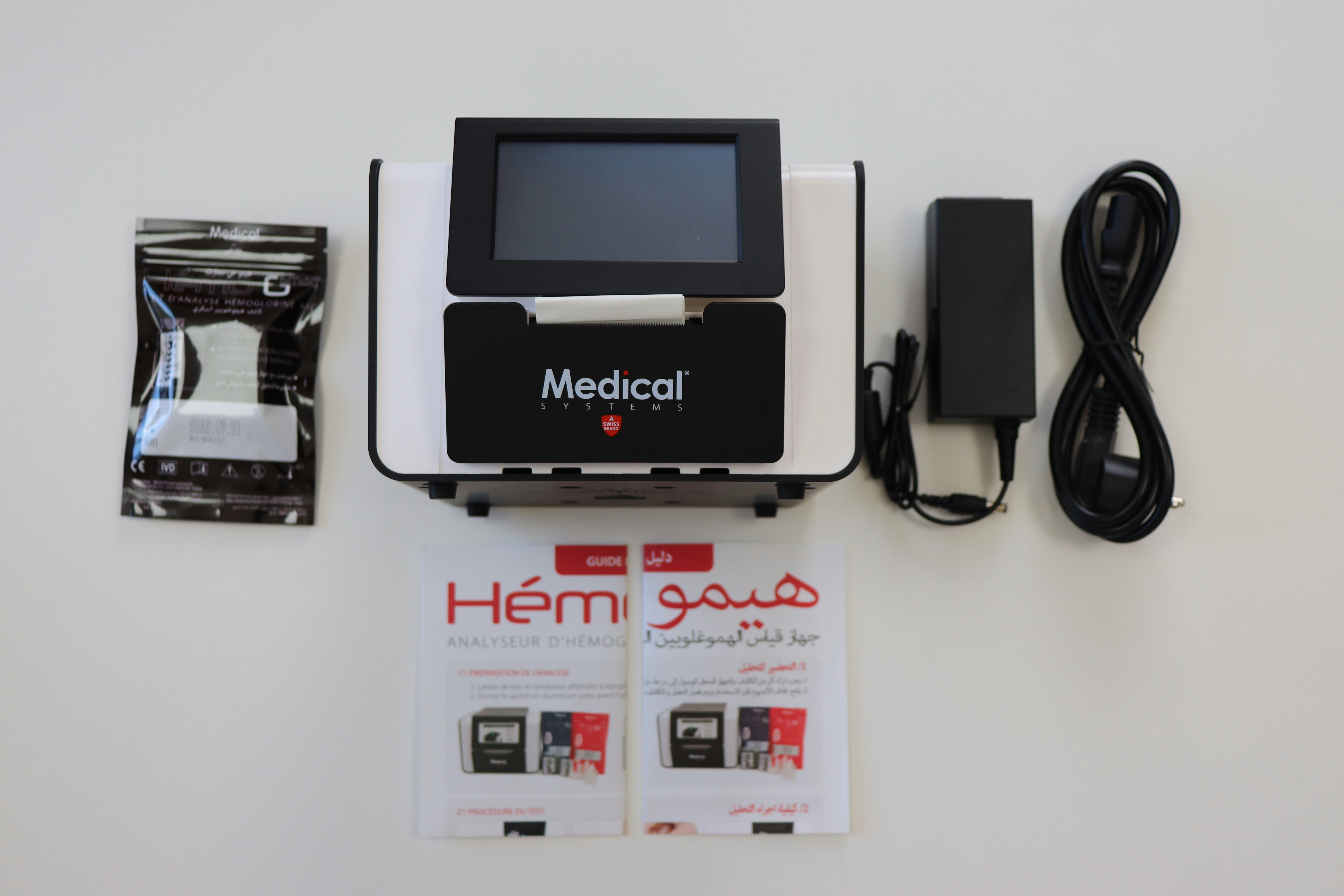
Introduction to UDI
The Unique Device Identification (UDI) system is a pivotal framework established to enhance the management and safety of medical devices within the healthcare sector. Introduced by regulatory bodies such as the Food and Drug Administration (FDA) in the United States, UDI aims to promote better tracking, reporting, and overall accountability of medical products throughout their entire lifecycle.
At its core, the UDI system incorporates a unique alphanumeric code assigned to each medical device, facilitating its identification at all stages, from manufacturing to distribution and usage in clinical settings. This traceability is crucial for several reasons, not least of which is patient safety. With the UDI in place, healthcare providers and patients can access detailed information about the device, including its specifications, usage instructions, and any potential recalls or associated adverse events. By improving access to this information, UDI significantly reduces the risk of medical errors and enhances overall clinical outcomes.
Another salient goal of the UDI system is to streamline the reporting of adverse events associated with medical devices. Historically, tracking incidents such as malfunctions or safety issues has been challenging due to the lack of a standardized identification system. The implementation of UDI enables more accurate reporting and analysis of these events, allowing regulatory bodies to respond swiftly and ensure ongoing safety measures are in place. Furthermore, UDI fosters better communication among stakeholders, including manufacturers, healthcare providers, and patients, creating a more comprehensive ecosystem that prioritizes safety and efficiency.
In essence, the Unique Device Identification system serves as a cornerstone for improving the reliability and safety of medical devices, ensuring that patient welfare remains at the forefront of medical advancements.
Components of UDI
The Unique Device Identification (UDI) system plays a crucial role in the identification and tracking of medical devices throughout their lifecycle. At its core, the UDI comprises several key components that work synergistically to provide a standardized approach to device identification. The primary elements include the Unique Device Identifier (UDI), which is divided into two significant parts: the UDI-DI and the UDI-PI.
The UDI-DI, or the Unique Device Identifier – Device Identifier, serves as the specific identifier for a device model. This segment delineates the essential characteristics of the device, including its manufacturer, the product, and its version. Conversely, the UDI-PI, or the Unique Device Identifier – Production Identifier, encompasses production-related information, such as the lot or batch number, serial number, expiration date, and any other relevant attributes that aid in the monitoring of the device in various healthcare settings.
In addition to the Unique Device Identifier segments, barcodes are an integral component of the UDI system. Barcodes facilitate rapid and accurate scanning of the UDI during the processes of distribution, patient administration, and inventory management. These machine-readable codes enable healthcare providers to easily access product information and track devices efficiently. Alongside barcodes, human-readable information is essential for ensuring that practitioners can quickly ascertain the critical details of a medical device without needing to scan the barcode. This may entail the printed UDI, product name, and other essential descriptive information.
The synthesis of the UDI-DI, UDI-PI, barcodes, and human-readable information creates a comprehensive identification system for medical devices. By employing this holistic framework, the UDI system not only enhances patient safety through accurate tracking but also streamlines device management within healthcare environments. The ability to trace and identify devices down to their production lot significantly contributes to effective post-market surveillance, recalls, and overall quality assurance processes in the medical device industry.
Regulatory Framework
The Unique Device Identification (UDI) system is a critical component in the regulatory landscape for medical devices. Established to enhance the efficiency and accuracy of device identification, the UDI system mandates a standardized approach to labeling devices that aids in tracking and monitoring. In the United States, the U.S. Food and Drug Administration (FDA) oversees the UDI requirements under the 2012 FDA Safety and Innovation Act. This regulatory framework emphasizes the need for manufacturers to implement UDI on their products to assure patient safety and improve post-market surveillance.
Furthermore, manufacturers, importers, and distributors are required to comply with specific obligations under the UDI system. These include registering devices with the FDA’s Global Unique Device Identification Database (GUDID) and applying UDI labels onto their products before they are marketed. It is essential for stakeholders to understand that compliance is not optional; failure to adhere to UDI regulations may result in significant penalties and delayed product approvals. Various classifications of medical devices, from Class I to Class III, have distinct compliance timelines that span from 2014 to 2020, depending on the risk category associated with the device.
Globally, similar UDI regulations have been adopted by other jurisdictions, such as the European Union’s Medical Device Regulation (MDR) and In-vitro Diagnostic Regulation (IVDR). These regulations dictate specific requirements for UDI implementation, placing a shared responsibility on stakeholders in different regions to maintain global compliance. As medical devices cross international borders, adherence to these regulatory frameworks ensures that patient safety is prioritized while fostering transparency and accountability throughout the supply chain. Therefore, understanding the regulatory obligations surrounding the UDI system is paramount for organizations involved in the development and distribution of medical devices.
Benefits of UDI Implementation
The Unique Device Identification (UDI) system offers significant advantages to various stakeholders in the healthcare industry. Primarily, the implementation of UDI enhances patient safety by ensuring that medical devices can be accurately tracked throughout their lifecycle. By providing a standardized way to identify devices, the UDI system helps healthcare providers quickly access critical information about a device’s history, which is essential during emergencies or adverse events. This capability reduces the risk associated with device-related complications and supports clinical decision-making.
In addition to bolstering patient safety, the UDI system streamlines recall processes. When a medical device is identified as defective or potentially harmful, the UDI allows manufacturers and regulatory bodies to efficiently trace and notify affected patients and healthcare facilities. This prompt action minimizes potential harm to patients and facilitates corrective measures, ensuring that recalled devices are removed from use without delay. Enhanced communication and tracking mechanisms foster a swift response to safety issues, which is crucial in maintaining trust within the healthcare sector.
The integration of UDI also enriches data collection for research and analysis. By uniquely identifying devices, researchers can gather comprehensive data on the usage and performance of medical devices across different populations and settings. This information contributes to a growing body of evidence that supports regulatory decisions and improves device design. Additionally, UDI aids manufacturers in understanding market performance and product quality, enabling them to address potential issues proactively.
Moreover, UDI significantly improves inventory management practices. Healthcare organizations benefit from enhanced visibility and control over their medical device inventory, reducing instances of overstocking or stockouts. Efficient inventory management not only optimizes operational costs but also ensures that healthcare providers have timely access to the necessary devices, further contributing to quality patient care.
Challenges in UDI Adoption
The adoption of the Unique Device Identification (UDI) system presents several challenges for both manufacturers and healthcare providers. One significant hurdle is the complexity of integrating UDI into existing manufacturing and supply chain processes. Manufacturers often have established procedures, workflows, and IT systems that may not readily accommodate the new UDI requirements. Modifications to these systems can involve considerable time and resources, leading to operational disruptions if not carefully managed.
Moreover, the costs associated with compliance can be daunting. Manufacturers may face substantial investments in technology and infrastructure to implement UDI. Barcode systems, data management software, and updates to labeling and packaging all require financial outlays. For smaller manufacturers, these expenses can be particularly burdensome and may hinder their ability to compete in an already challenging market. The financial implications of UDI compliance necessitate thorough planning and budgeting to ensure a smooth transition.
Additionally, there is a significant need for staff training and education regarding the UDI system. Both manufacturers and healthcare providers must ensure that their personnel are well-versed in the new processes and technology involved in UDI adoption. This includes understanding how to accurately generate and use UDI codes and being aware of tracking requirements for devices throughout their lifecycle. Effective training programs are essential to minimize errors and maintain compliance, yet they also require resources and time. Without proper education and training, the risk of implementation challenges and non-compliance increases.
These challenges reflect the complex landscape of UDI adoption in the medical device industry. By acknowledging these obstacles, stakeholders can better prepare for the implementation of the UDI system and work towards solutions that facilitate its integration into healthcare practices.
Impact on Patients and Healthcare Providers
The Unique Device Identification (UDI) system significantly impacts both patients and healthcare providers by fostering improved accuracy in device tracking, which is essential in clinical settings. By assigning a unique identifier to each medical device, the UDI system enables healthcare professionals to quickly and easily access important information about the devices used in patient care. This efficient tracking process minimizes errors and enhances overall patient safety.
One of the primary benefits of the UDI system is its contribution to improved patient outcomes. With the ability to trace a device’s usage, including its history and performance, healthcare providers can make informed decisions regarding patient care and the selection of appropriate devices. This transparency can lead to timely interventions in the case of issues such as recalls or adverse events, ultimately resulting in better health results for patients. Furthermore, accurate tracking of devices can facilitate post-market surveillance, allowing for the continual monitoring of device performance, which is critical for maintaining patient safety and efficacy standards.
Moreover, the UDI system enhances communication regarding device information between healthcare providers and patients. With readily accessible device data, healthcare professionals can educate patients about the devices they are receiving, including potential risks and benefits. Improved communication fosters a trusting relationship, empowering patients to engage actively in their healthcare decisions. This informed partnership enhances compliance with treatment protocols and encourages patients to report any adverse effects or malfunctions swiftly, further contributing to effective device management.
In conclusion, the UDI system plays a foundational role in enhancing the overall healthcare landscape by benefiting patients and providers alike. It ensures an organized framework for device tracking, optimizes patient outcomes, and strengthens communication channels, thereby reflecting its importance in modern medical practices.
Global Perspectives on UDI
The Unique Device Identification (UDI) system has emerged as a critical framework for ensuring the safety and efficacy of medical devices worldwide. Various regions, including Europe, Australia, and Asia, have begun implementing UDI systems, albeit with their own regulatory nuances and methodologies. The European Union has established a comprehensive UDI regulation, which mandates that all medical devices placed on the market carry a UDI on their labels. This regulation, effective since May 2021 under the Medical Device Regulation (MDR), aims to enhance traceability and post-market surveillance of medical products, fostering improved patient safety.
In Australia, the adoption of UDI is guided by the Therapeutic Goods Administration (TGA), which has introduced requirements for UDI compliance as part of their product registration process. Regulations focus on establishing a UDI database that allows health professionals to access information about devices quickly. The emphasis in Australia parallels that of Europe, aiming at improving supply chain management and ensuring swift response capabilities during recalls or adverse events.
In Asia, the approach to UDI varies significantly between countries. For instance, Japan has made strides toward UDI implementation with the Pharmaceuticals and Medical Devices Agency (PMDA) leading the charge. Their framework is designed to promote device traceability, aligning with global standards. Similarly, China is instituting its own UDI standards, albeit facing challenges due to the vast and diverse nature of its medical device market. The Chinese government is focusing on harmonization efforts to ensure compatibility with international UDI systems.
Given these various developments, a central theme is the push for global harmonization in UDI standards. The adoption of consistent UDI regulations across regions not only enhances safety and traceability but also supports international trade and cooperation. It is imperative for nations to collaborate and share best practices to achieve a cohesive and effective UDI framework applicable on a global scale. This international alignment will ultimately lead to improved patient outcomes and more efficient market access for medical devices.
Future Trends and Innovations in UDI
The Unique Device Identification (UDI) system plays a crucial role in the regulatory landscape of medical devices, ensuring their traceability and safety. As the healthcare industry evolves, so too shall the UDI system, integrated with emerging technologies that promise to enhance its functionality. Among these innovations are artificial intelligence (AI), blockchain technology, and advanced data analytics, all of which present remarkable opportunities for improving device tracking and management.
Artificial intelligence is anticipated to revolutionize the way data from UDI systems is processed and analyzed. With machine learning algorithms, healthcare organizations can glean insights and detect patterns from vast datasets. This enhances not only the efficiency of tracking devices but also enables timely interventions in case of product recalls or adverse events. AI capable of predictive analytics can foresee potential risks associated with certain medical devices and help in proactive decision-making.
Blockchain technology, on the other hand, offers a decentralized and secure framework for maintaining UDI data integrity. By utilizing a blockchain network, stakeholders—from manufacturers to regulators—can access a transparent and immutable record of device histories. This innovation could significantly reduce errors related to device identification and enhance the reliability of information shared across various platforms, thereby fostering confidence in product authenticity.
Advanced data analytics also play a pivotal role in future UDI systems. Enhanced algorithms can provide real-time data analysis about device performance and usage across different healthcare settings. This information can be vital for regulatory compliance and may unlock opportunities for further innovations in medical device design and functionality.
As the medical device industry continues to embrace these technological advancements, the UDI system is likely to become more adaptive and efficient, ultimately improving patient safety and healthcare delivery.
Conclusion
In summary, the Unique Device Identification (UDI) system plays an essential role in enhancing the safety and effectiveness of medical devices. By providing a standardized approach to identifying and tracking medical devices, the UDI system facilitates improved management of device-related information throughout the entire lifecycle of a medical device, from manufacturing to patient use. This system not only reduces the risk of medical errors but also aids in the reporting of adverse events, ensuring that healthcare providers can monitor the performance of devices accurately.
The implementation of the UDI system promotes transparency and traceability, which are crucial for regulatory compliance and quality assurance. As stakeholders, including manufacturers, healthcare providers, and regulatory bodies, adapt to these regulations, the emphasis must remain on ongoing education and engagement with UDI requirements. Continuous professional development and training will enable healthcare professionals to understand and utilize UDI effectively, thereby improving the quality of patient care and device management.
Moreover, encouraging collaborative efforts among all stakeholders can lead to a more streamlined application of the UDI system. This collaboration can foster innovation, as feedback on device performance and safety can inform future regulatory decisions and advancements in medical technology. As the healthcare landscape continues to evolve, the importance of a robust UDI framework will only grow, asserting its significance in achieving higher standards of patient safety and healthcare efficiency.
Ultimately, the UDI system represents a significant step forward in the healthcare industry. Stakeholders must remain engaged and informed about these regulations to maximize the benefits they offer, ultimately leading to improved outcomes for patients and a more effective medical device management process.
© barcodly.com- All rights reserved