Introduction to Barcode-Based Attendance Systems
Barcode-based attendance systems represent an innovative approach to tracking student attendance in educational institutions. These systems utilize barcode technology to streamline the attendance process, replacing traditional methods that often rely on manual roll call or paper-based forms. By integrating barcode scanning into the attendance process, schools and universities can enhance efficiency, reduce errors, and save valuable time for both educators and students.
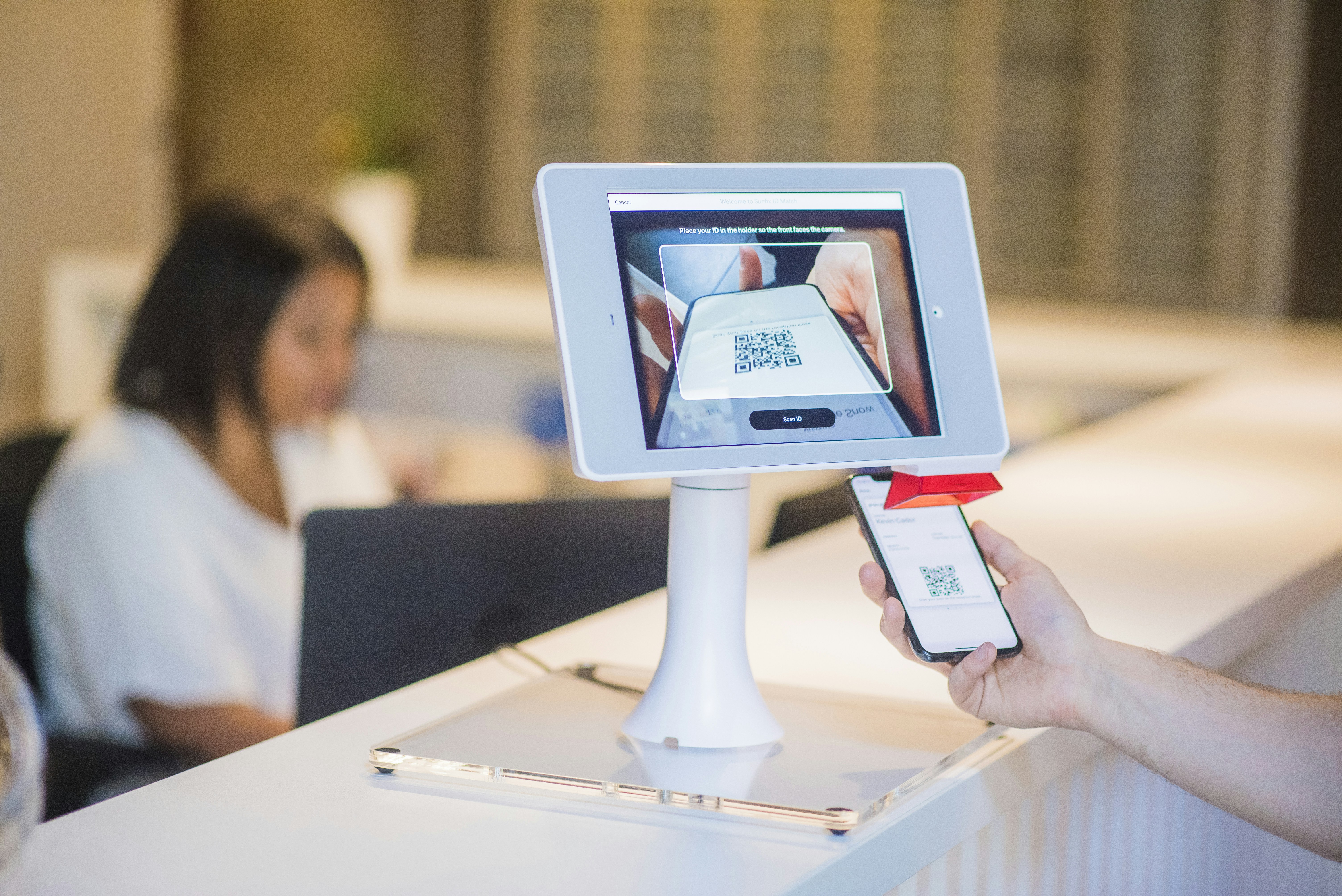
At the core of a barcode-based attendance system is a scannable barcode, typically printed on student identification cards. When students arrive in class, they simply present their ID to a scanner. The scanner reads the barcode, registers the attendance in real-time, and updates the school’s database automatically. This not only simplifies the process but also minimizes the likelihood of human error, which can occur when attendance is recorded manually. Additionally, the use of barcodes allows for quick data retrieval and analysis, making it easier for educators to monitor attendance patterns over time.
One of the primary advantages of barcode-based attendance systems is their capacity for increased accuracy compared to traditional attendance methods. With automated scanning, the potential for misrecording attendance is significantly diminished. Furthermore, these systems often come equipped with reporting features that allow administrators to generate detailed attendance reports, thus providing insights into student engagement and attendance trends. Another key benefit includes the reduction of administrative workload, freeing up educators to focus on teaching rather than paperwork.
As educational institutions look to modernize and optimize their operations, barcode-based attendance systems are becoming a prevalent choice. Transitioning to this technology provides a significant opportunity to enhance the attendance tracking process, paving the way for further innovations in educational environments.
How Barcode Technology Works
Barcode technology plays a crucial role in modernizing student attendance systems, offering a streamlined, efficient method for tracking student presence. The two primary types of barcodes utilized in educational institutions are traditional barcodes and QR codes. Traditional barcodes are composed of vertical lines of varying widths, while QR codes represent a two-dimensional matrix capable of storing more information, including URLs and identification numbers. Each method has its advantages depending on the specific needs of the attendance system.
The scanning process begins with a barcode scanner—either a handheld device or an integrated system within personal devices—capable of interpreting the encoded information quickly and accurately. When a student scans their ID card, the scanner captures the image of the barcode and decodes the data contained therein. This data often includes a unique identifier for the student, allowing the system to log their attendance without the need for manual input. The ability to scan QR codes using smartphones enables a personal and flexible approach to attendance tracking, as students can check in using their own devices.
The software associated with these barcode systems is equally essential for effective attendance management. These applications allow real-time data recording, ensuring accurate attendance logs are maintained. The integration of barcode technology with existing educational management systems enhances the capability to analyze attendance patterns, identify trends, and address potential issues with student engagement. Furthermore, such systems typically feature user-friendly dashboards for educators and administrators, facilitating quick access to attendance reports and supporting decision-making processes linked to student retention and performance.
Advantages of Barcode-Based Attendance Systems
Barcode-based attendance systems present a myriad of advantages over traditional attendance tracking methods. One primary benefit is the increased accuracy achieved through the use of barcodes. Unlike manual roll calls or sign-in sheets, which are prone to human error, barcode systems facilitate instantaneous data capture, significantly diminishing the chances of errors. This level of precision ensures that attendance records are both reliable and up-to-date, which is essential for educational institutions aiming to maintain accurate student records.
Another advantage is the substantial reduction in administrative workload. Traditional attendance methods require educators to spend considerable time managing and updating attendance logs. A barcode-based system automates this process. By scanning a student’s unique barcode, educators can instantly register attendance, allowing them to redirect their efforts towards more critical aspects of teaching. This streamlined approach not only saves time but also permits a more efficient use of resources within educational environments.
Additionally, barcode-based systems enhance the check-in process, contributing to a quicker and more efficient attendance verification. Students can check in rapidly by simply scanning their barcodes, reducing congestion during peak times such as the beginning of class or after breaks. This fast-paced check-in is particularly advantageous in larger educational settings, where managing crowds can become a logistical challenge.
Moreover, improved data management is a significant merit of barcode systems. These systems store attendance data electronically, enabling educators and administrators to track patterns and generate reports with ease. This digital approach allows for a more comprehensive analysis of attendance trends, helping to identify issues such as chronic absenteeism. In contrast, traditional attendance methods often result in cumbersome paperwork and a lack of real-time data access, making proactive management difficult. Thus, by adopting barcode-based attendance systems, educational institutions can effectively address common issues associated with traditional methods and significantly enhance their operational efficiency.
Implementation Strategies for Schools and Universities
In recent years, many educational institutions have been exploring the incorporation of barcode-based attendance systems as a means to streamline attendance recording and management. The successful implementation of these systems requires a strategic approach that encompasses several crucial steps.
The first step is selecting the right technology. Schools and universities should evaluate various barcode scanning solutions, considering factors such as ease of use, compatibility with existing systems, and cost-effectiveness. Solutions may range from handheld barcode scanners to mobile applications that utilize students’ smartphones for attendance tracking. Engaging technology stakeholders, such as IT support teams, can ensure informed decisions are made regarding the most suitable systems for the institution.
Once the technology is selected, training is paramount. Institutions should conduct comprehensive training sessions for both staff and students, ensuring they understand how the barcode-based system operates. This training may include hands-on workshops demonstrating how students can scan their barcodes upon entering classrooms, and how staff can efficiently manage attendance records. Additionally, informational materials such as user guides and video tutorials can enhance the training experience, helping users to adopt the new system seamlessly.
Integration with existing systems is another critical step. Many educational institutions currently utilize Learning Management Systems (LMS) to track attendance. The barcode-based attendance system should be designed to integrate with these platforms. This integration will facilitate a smooth data transfer, thus maintaining accurate attendance records. Collaboration with software vendors may be necessary to ensure that all systems communicate effectively.
Finally, establishing best practices for usage is vital. Institutions should develop clear protocols regarding attendance tracking, including handling absences and addressing discrepancies. By fostering an environment of accountability and regular feedback regarding the new system, schools and universities can ensure the effective adoption of barcode-based attendance solutions, ultimately revolutionizing the way student attendance is managed.
Real-World Case Studies
The adoption of barcode-based attendance systems in educational institutions has been met with promising outcomes. Schools and universities have reported a variety of benefits that highlight the effectiveness of these systems in managing student attendance. One notable example is the implementation of a barcode system at a large public university, which replaced a traditional paper-based attendance model. The university faced challenges such as maintaining accuracy and ensuring proper record-keeping. After switching to barcode technology, the administration noted a significant reduction in attendance-related errors, with an accuracy rate exceeding 98%. This improvement not only streamlined administrative processes but also enhanced student accountability.
Another compelling case study can be found at a high school that sought to address persistent attendance issues and administrative inefficiencies. The school integrated a barcode scanning system that allowed teachers to take attendance via handheld devices. This shift provided real-time data, enabling immediate action on absenteeism. As a result, the school saw a 25% reduction in unexcused absences within the first semester of using the system. Teachers and students both reported satisfaction with the technology, appreciating its ease of use and ability to quickly generate attendance reports.
Furthermore, a private college implemented a barcode attendance system during seminars and workshops. Despite initial resistance from faculty members who favored traditional methods, the college provided comprehensive training sessions to ease the transition. Following this, there was a noteworthy enhancement in participation rates during these events, with attendance increasing by 30%. Educational institutions have thus demonstrated that well-planned integration of barcode-based systems can overcome initial hurdles to deliver meaningful improvements in attendance tracking.
Potential Challenges and Solutions
The implementation of barcode-based attendance systems, while beneficial, presents certain challenges that institutions must navigate. One common issue is technology malfunctions. These systems rely on hardware such as barcode scanners and software for attendance records. Hardware failures or software glitches can lead to inaccurate attendance data, which could affect administrative decisions and student records. To mitigate this, institutions should invest in high-quality scanning equipment and conduct regular maintenance checks. Additionally, providing adequate training for staff on troubleshooting can help address this issue swiftly when it arises.
Another significant challenge is student resistance. Some students may feel uncomfortable with the constant monitoring associated with barcode systems, perceiving it as an invasion of their privacy. To counter this resistance, institutions should clearly communicate the reasons for implementing these systems, emphasizing the benefits such as increased efficiency and improved record-keeping. Involving student representatives in the decision-making process can also foster a sense of ownership and acceptance of the new system.
Finally, privacy concerns are paramount when collecting any type of personal student data. Barcode systems often store sensitive information and could become targets for data breaches. Institutions must prioritize data security by implementing robust encryption methods and adhering to strict privacy policies. Regular audits of data management practices will ensure compliance with regulations and safeguard student information. Furthermore, educating students about how their data is used and the measures taken to protect it can help build trust in the system.
By acknowledging and addressing these potential challenges, educational institutions can pave the way for a successful implementation of barcode-based attendance systems, enhancing efficiency while ensuring trust and security.
The Future of Attendance Management in Education
As educational institutions evolve, so too must the methodologies used for student attendance management. The integration of barcode technology is paving the way for a more efficient, accurate, and real-time attendance system. Schools and universities are increasingly adopting barcode-based solutions, recognizing their ability to streamline processes, reduce administrative burden, and enhance data accuracy. However, the future of attendance management extends beyond barcode systems, with emerging trends hinting at the incorporation of other innovative technologies.
One promising development is the potential integration of biometric systems into attendance management. Biometric technology, such as fingerprint or facial recognition, offers an avenue for secure and seamless identification of students. This kind of technology not only enhances security but also improves accuracy, as it minimizes the occurrences of proxy attendance, a prevalent issue in traditional roll calls. Educational institutions looking to implement these systems need to ensure they balance privacy considerations while leveraging biometric benefits.
Furthermore, the rise of mobile applications is transforming attendance tracking. With the ubiquity of smartphones, mobile apps present an accessible method for students and staff to monitor attendance. By scanning barcodes with their devices, students can check in efficiently, allowing for a more engaging and interactive approach to attendance management. Schools can prepare for these advancements by investing in training programs for faculty and collaborating with technology providers to ensure a smooth transition between systems.
As we look toward the future, it is evident that attendance management in education will become more integrated with technology, resulting in more robust and user-friendly systems. By staying informed about these changes and investing in new technologies, educational institutions can enhance their attendance management processes, providing a better experience for students, faculty, and administrators alike. In conclusion, embracing these advancements will help shape an efficient and secure educational environment.
Feedback from Educators and Students
The implementation of barcode-based attendance systems has prompted a plethora of feedback from both educators and students, revealing valuable insights into their usability and efficiency. Educators, who are key stakeholders in this transition, have generally reported a favorable experience with these systems. The ease of scanning barcodes has streamlined the attendance process significantly. Teachers have noted a reduction in administrative time spent on roll calls, allowing them to dedicate more time to instructional activities. Furthermore, the accuracy of data collection has been improved, minimizing the chances of miscounting attendance.
Many educators appreciate the real-time tracking feature that barcode systems provide. This capability not only enhances the accuracy of attendance records but also promotes accountability among students, as they understand that attendance is being closely monitored. However, some educators have pointed out challenges, particularly for students who may forget or lose their assigned barcodes. Suggestions have been made to integrate a backup identification process, such as student ID cards, to enhance reliability.
On the student side, feedback has varied but generally leans positively towards the barcode-based attendance systems. Students often express satisfaction with the quickness of the scanning process, which minimizes disruptions to class time. The modern approach aligns with the technological preferences of today’s students, making attendance feel less like a chore and more like an integrated part of their learning experience. However, some students have noted frustrations over technical issues, such as scanner malfunctions or inability to scan properly in crowded environments. These insights highlight the need for ongoing improvements and training on the proper use of devices and systems.
Collective feedback from both groups underscores the potential of barcode-based attendance systems while also illuminating areas for further development. Their insights provide a roadmap for enhancing the effectiveness of attendance monitoring in educational settings, ensuring that such systems serve the needs of all users effectively.
Conclusion: The Role of Barcode-Based Systems in Modern Education
In the evolving landscape of education, barcode-based systems have emerged as a pivotal tool for managing student attendance effectively. The integration of this technology serves multiple functions, reflecting its potential to address some of the significant challenges faced by educational institutions today. By automating the attendance process, barcode systems not only enhance student engagement but also streamline administrative tasks, allowing educators to focus more on teaching and less on paperwork.
One of the primary benefits of barcode-based attendance systems is their capacity for accurate tracking. Traditional attendance methods can be prone to errors, whether due to manual recording or the potential for students to misrepresent their presence. In contrast, barcodes facilitate a swift check-in process, minimizing the likelihood of discrepancies and ensuring that attendance records are precise and reliable. This accuracy is vital for institutions to monitor student participation effectively, allowing for timely interventions when necessary and fostering a nurturing educational atmosphere.
Additionally, the use of barcode technology can promote a more efficient educational environment. The rapid collection and processing of attendance data through scanning eliminate long wait times and bureaucratic bottlenecks commonly associated with manual systems. As a result, barcode-based systems contribute to a seamless experience for both students and faculty, encouraging regular attendance and increasing overall institutional productivity.
It is crucial for educational institutions to recognize the advantages presented by barcode-based attendance systems. By embracing this innovative technology, schools and universities can create a more engaging and efficient educational experience, thus supporting their mission to provide quality education. With the multitude of benefits it offers, the implementation of barcode systems in attendance tracking should be considered a forward-thinking step toward modernizing education.
© barcodly.com- All rights reserved