Introduction to Barcodes in Libraries
Barcodes are machine-readable representations of data that consist of a series of vertical lines and spaces, typically alongside text. Originally developed in the 1950s, barcodes have evolved into a critical component of inventory management across various industries, including retail and libraries. The basic functionality of barcodes relies on a scanning device, such as a laser or camera, that interprets the pattern to retrieve specific information, allowing for efficient tracking and organization of items.
In the context of school libraries, barcodes revolutionized the way information is cataloged and accessed. Before the advent of barcode technology, libraries primarily utilized manual cataloging systems, which involved labor-intensive processes such as writing index cards and physically searching for items on shelves. This method, while effective for smaller collections, became increasingly cumbersome as libraries expanded their resources. The introduction of barcodes provided a streamlined solution, enabling librarians to quickly and accurately manage their inventory.
The transition from manual systems to barcode technology marked a pivotal change in library operations. Each item in the library, from books to audiobooks, can now be assigned a unique barcode that links to its specific record in the library’s database. This facilitates a range of processes, including check-ins and check-outs, cataloging, and inventory control. By automating these tasks, barcodes have not only improved accuracy but also significantly reduced the time required for library operations. Within the framework of school libraries, the efficient use of barcodes helps foster an organized environment that enhances student access to resources, thereby supporting their educational needs. As we delve deeper into the implications of barcodes, it becomes evident that they play an essential role in modern library management.
Benefits of Using Barcodes in School Libraries
The implementation of barcodes in school libraries has revolutionized the management and accessibility of library resources. One of the primary advantages is the increased efficiency in tracking books. By utilizing barcode technology, librarians can swiftly scan books during check-out and check-in processes. This method significantly reduces the time spent on manual data entry, allowing library staff to focus on providing better support and services to students.
Furthermore, the streamlined check-out and check-in procedures facilitated by barcodes enhance the overall user experience for students. With quick scans, students can checkout materials with minimal wait times, thereby encouraging reading and research. The simplicity of barcode scanning also means that students are more likely to understand and engage with the library system, fostering a culture of independent learning.
Another considerable advantage of barcode usage is the reduction of human error. Manual processes are inherently prone to mistakes, such as misfiling or incorrectly checking in books. By automating these functions through barcode scanning, libraries can greatly minimize discrepancies, ensuring that the inventory records reflect actual availability. This accuracy is crucial for maintaining a reliable resource collection that students and staff can trust.
Moreover, improved inventory management through barcodes allows libraries to keep precise records of all materials. Librarians can easily monitor the circulation of items, analyze borrowing trends, and identify which resources are in demand. This data enables more informed decisions when it comes to purchasing new materials, planning events, and enhancing the library’s collection based on students’ needs and interests.
Incorporating barcode technology into school libraries ultimately translates to a more organized, user-friendly environment where both librarians and students can thrive.
How Barcoding Works in a School Library
Barcoding systems play an essential role in the efficient management of resources in school libraries. The basic components of a barcode system include scanners, software, and databases, which work together seamlessly to streamline various library processes. When a library adopts a barcoding system, each resource, such as books, journals, and multimedia items, is assigned a unique barcode that is typically printed on a label and affixed to the item.
Scanners are critical tools in this system. They are used to read the barcode by capturing the light reflected from the barcode pattern. This information is then converted into a digital format that can be interpreted by the library’s management software. Different types of scanners, such as handheld or fixed-position devices, can be employed based on the library’s specific needs. The choice of scanner can affect efficiency in checking items in and out, as well as inventory management tasks.
The library management software is another crucial component. It acts as a central hub for cataloging and tracking resources. When a barcode is scanned, the software retrieves relevant information from the database, such as the item’s title, availability status, and borrowing history. This facilitates easy checkouts and returns, as well as efficient tracking of inventory levels. Furthermore, most modern library management systems allow for integration with automated inventory processes and reporting tools, enhancing the library’s operational efficiency.
In terms of barcode formats, the two most commonly utilized in school libraries are Code 39 and Code 128. These formats are well-suited for representing alphanumeric data, making them practical choices for library applications. As technology continues to evolve, new barcode technologies such as QR codes may also gain traction, offering additional functionalities and convenience.
Implementing a Barcoding System: A Step-by-Step Guide
Implementing a barcoding system in school libraries can streamline operations, enhance inventory management, and improve the overall efficiency of library services. The process begins with selecting appropriate barcode software tailored to the library’s specific needs. Several software options are available, ranging from basic cataloging programs to comprehensive library management systems. It is crucial to evaluate their functionalities, including compatibility with existing systems, ease of use, and support for multiple barcode formats.
Once the software is selected, preparing the library’s collection for barcoding becomes the next essential step. This involves conducting an inventory of all items, such as books, magazines, and audiovisual resources. A cataloging checklist is recommended to ensure that every item is accounted for and accurately documented. This preparation phase will help identify items that need updating or repairing before being barcoded, thus ensuring that the collection is in optimal condition.
Practical tips for scanning and cataloging include setting up a designated scanning area within the library equipped with a barcode scanner and a computer connected to the library’s software. School librarians should consider batch scanning for efficiency, allowing multiple items to be scanned in a single session. Training library staff on how to use the software and scanners effectively is essential. Staff should be familiar with the procedures of scanning, cataloging, and troubleshooting common issues that may arise during implementation.
Regularly updating the barcoding system and library inventory is also important to ensure long-term success. Establishing a maintenance schedule for periodic audits can help identify discrepancies and improve accuracy. Staff training should be ongoing to adapt to software updates or procedural changes, reinforcing the vital role of barcodes in the efficient management of school libraries.
Challenges and Solutions in Using Barcodes
The integration of barcodes into school library systems can present a variety of challenges that may hinder a smooth transition. Among these, initial costs associated with the purchase of barcode scanners, printers, and software can be significant. Many school libraries operate under tight budgets, making it essential to consider the return on investment. To address this concern, libraries can explore funding opportunities, grants, or partnerships with local organizations to alleviate financial burdens. Additionally, implementing a phased approach allows libraries to spread out costs over time while gradually enhancing their systems.
Another challenge is the potential resistance to change from staff and patrons. Many library staff members may be accustomed to traditional methods of cataloging and checking out books. Therefore, providing adequate training and support is crucial. Libraries should prioritize user-friendly barcode systems and conduct workshops to familiarize staff with the technology. Engaging staff early in the decision-making process can also create a sense of ownership, making them more inclined to embrace these changes.
Technical issues, such as software compatibility and equipment malfunctions, can pose further obstacles to effective barcode integration. It is advisable to choose barcode systems that are compatible with existing library management software to minimize disruptions. Regular maintenance and updates to both hardware and software can prevent technical issues from affecting services. Additionally, establishing a support plan can ensure timely resolution of any tech-related problems, allowing for less downtime.
In sum, while the challenges of integrating barcodes into school libraries are notable, they are not insurmountable. By leveraging financial resources, focusing on staff training, and being proactive about technical considerations, school libraries can successfully adopt barcode technology, thereby enhancing their operational efficiency and service delivery.
Barcodes and Inventory Management
Effective inventory management is crucial for the smooth operation of school libraries, and barcodes play a significant role in this process. By utilizing barcodes, library staff can efficiently track and manage their collections, ensuring resources are readily available for students and faculty. The integration of barcoding technology allows for streamlined processes that save time and reduce the potential for errors, thus enhancing the overall effectiveness of inventory management.
The initial step in employing barcodes for inventory management involves labeling each item within the library’s collection. Each resource, be it a book, magazine, or audiovisual material, is assigned a unique barcode that links to its corresponding entry in the library catalog. This unique identification facilitates easy tracking during inventory checks. School libraries can conduct regular inventories—typically scheduled once or twice a year—to maintain an accurate account of their resources.
During inventory checks, library staff can quickly scan barcodes using handheld devices or mobile applications, enabling them to identify items that are missing or misplaced with minimal effort. The automated nature of this system significantly reduces the time spent on manual tracking, allowing librarians to focus their efforts on other essential tasks. Furthermore, the barcoding system helps to maintain an up-to-date library catalog, as it can highlight items that require updating, such as those that are checked out or in need of repair.
Maintaining an accurate inventory through barcoding supports resource availability for students. When library resources are accounted for and easily retrievable, it enhances the learning experience for students and ensures they have access to the materials they need. In summary, barcodes significantly enhance inventory management practices within school libraries, providing a framework that supports efficient tracking, regular audits, and ultimately, better resource accessibility.
Using Barcodes for Student Engagement and Accessibility
Barcodes have emerged as an invaluable tool in the context of school libraries, extending their utility beyond traditional lending practices to actively engage students in various activities. One innovative approach is implementing barcode-based scavenger hunts. In this interactive learning experience, students scan barcodes strategically placed around the library to locate titles or solve clues. Such activities not only foster a sense of adventure but also promote exploration and discovery, encouraging students to connect with the library’s resources more meaningfully.
Furthermore, the gamification of book loans through barcodes enhances student engagement. Libraries can create reward systems wherein students earn points or badges for borrowing books, scanning codes, or completing specific tasks. This approach transforms the traditional borrowing experience into an exciting game, motivating students to read more and discover new genres. The element of competition and reward can be a powerful incentive, especially for younger students, as they see library time as a fun, rewarding experience.
Accessibility is another significant advantage offered by barcodes in school libraries. By utilizing barcodes for tracking various resources, libraries can cater to diverse learning needs effectively. For instance, books with barcodes can include additional information, such as reading levels and summaries, which can be particularly helpful for students with learning disabilities. Integrating audio and visual resources into the library’s barcode system creates an inclusive environment where all students can explore content that suits their unique preferences. By providing multiple formats, libraries ensure equitable access to information, promoting a culture of inclusivity and support that aligns with modern educational practices.
Through these innovative applications, barcodes can significantly enhance student engagement and accessibility in school libraries, reinforcing their relevance in today’s educational landscape.
Future Trends in Barcoding Technology for Libraries
As technology continues to evolve, barcoding systems in school libraries are poised for significant advancements that can enhance their operational efficiency and user experience. One of the most promising developments is the increased adoption of QR codes. These codes allow patrons to access information quickly by scanning with their smartphones, streamlining the checkout process. The use of QR codes can also facilitate services such as online catalog browsing and instant access to digital content, making library resources more accessible to students and staff alike.
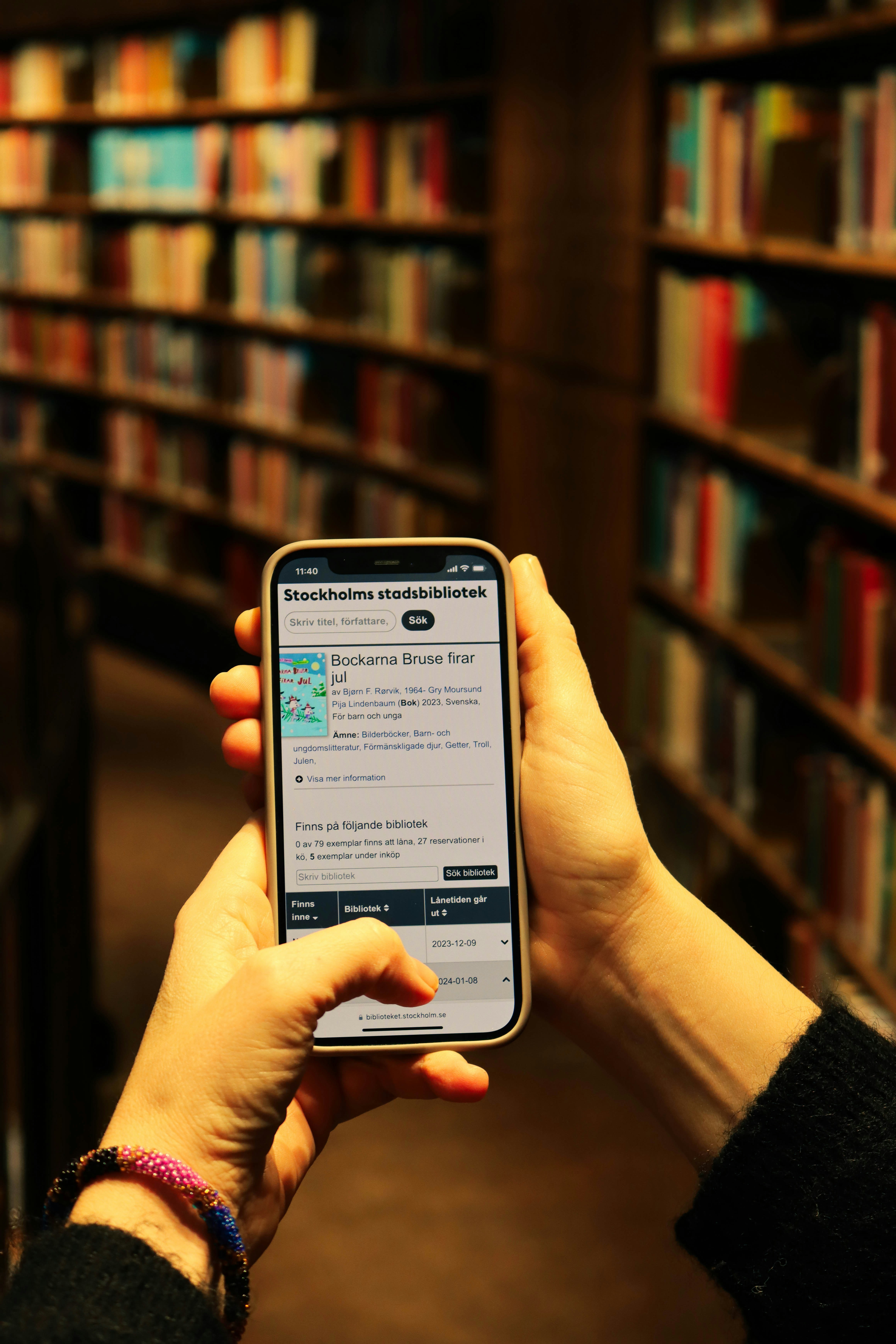
Another area of growth is the integration of barcoding technology with mobile applications. Libraries are likely to develop or adopt apps that allow users to manage their accounts efficiently. For example, students could use a library app to check out books, renew items, and receive notifications about due dates, all while managing their transactions from their personal devices. Such advancements not only create a more streamlined library experience but also encourage a greater engagement with library resources, aligning with the digital habits of today’s learners.
The emergence of Radio Frequency Identification (RFID) technology is another trend that promises to reshape the landscape of school libraries. RFID tags can be attached to library materials, enabling faster checkouts and more efficient inventory management. This technology allows for simultaneous scanning of multiple items, significantly reducing the time spent on these processes. Furthermore, RFID systems can enhance the security of library assets, minimizing losses due to theft or misplacement.
In the near future, we can expect the convergence of these technologies, leading to a more integrated and user-friendly library management system. The combination of barcodes, QR codes, mobile applications, and RFID will not only improve routine operations but also cultivate a more interactive learning environment in school libraries. As these technologies continue to develop, they will undoubtedly shape the way libraries operate and engage with their communities.
Conclusion and Recommendations
In conclusion, the implementation of barcode systems in school libraries plays a vital role in enhancing efficiency and accuracy in library management. Throughout this discussion, we explored how barcoding streamlines the circulation process, improves inventory management, and facilitates accessibility to educational resources. With the increasing demands of modern education, school librarians must adopt technology-driven solutions to meet the needs of students and educators effectively.
Furthermore, the integration of barcodes simplifies the process of tracking materials, allows for real-time data collection, and minimizes human error, significantly improving overall productivity. By automating various library processes, librarians can dedicate more time to supporting students and promoting literacy initiatives. The use of barcodes also aids in creating detailed reports, which can be essential for resource allocation and budgeting decisions.
For school librarians considering the implementation or optimization of their barcode systems, several recommendations can be offered. First, it is important to conduct a thorough needs assessment to understand specific requirements and areas for improvement. This assessment should take into account the existing system, user needs, and technological capabilities of the library. Next, providing comprehensive training for all staff involved is crucial for a smooth transition to a barcoding system.
Additionally, librarians should explore various barcode solutions that fit their school’s unique environment. Engaging with software providers to ensure compatibility with existing systems can lead to more efficient workflows. Lastly, continuous evaluation of the barcode system will be essential to maintain its effectiveness and adapt to changing needs over time. By embracing these technological advancements, school libraries can significantly enhance their role as vital educational resources, fostering a culture of learning and accessibility.
© barcodly.com- All rights reserved