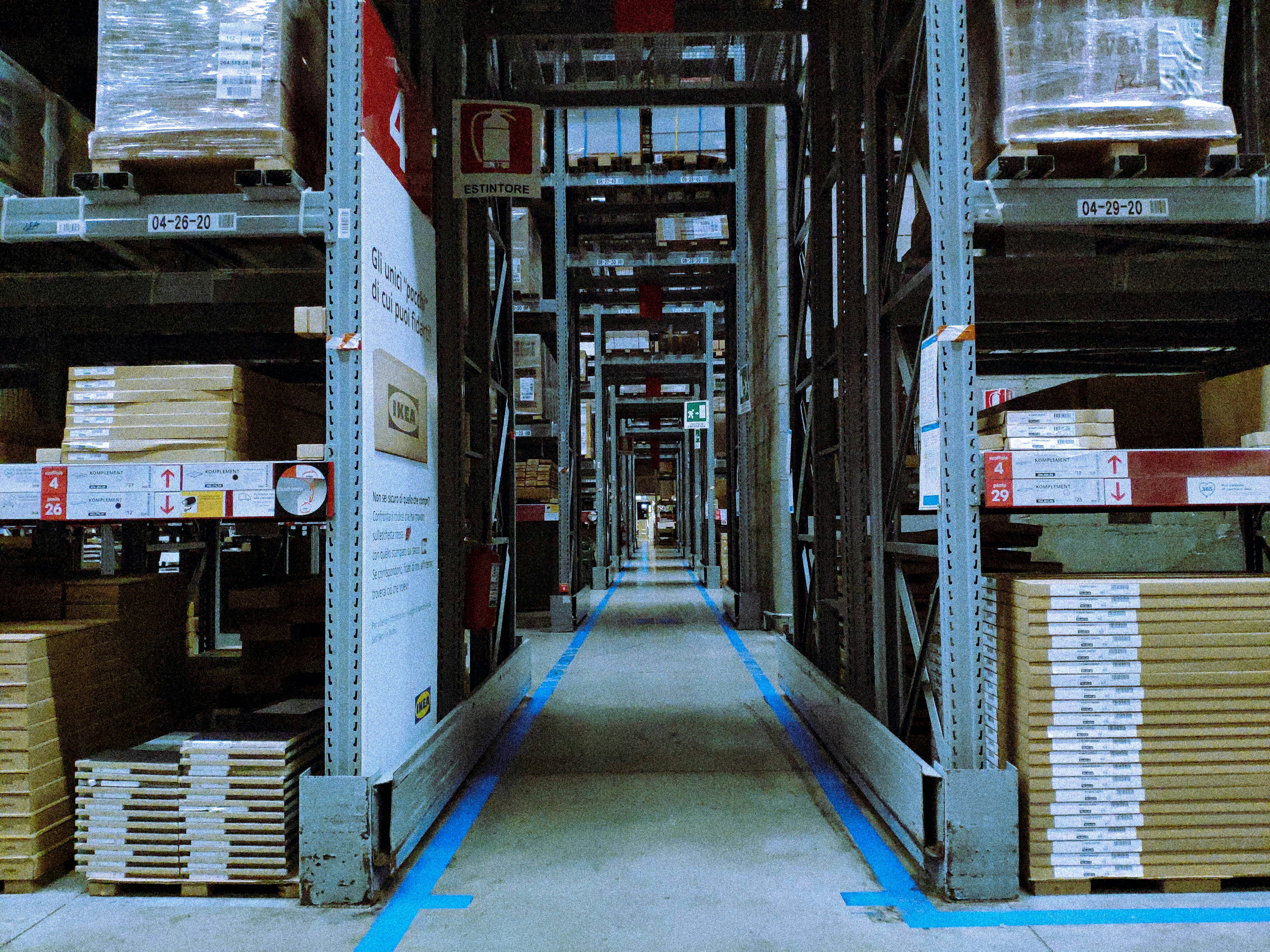

Introduction to Barcode Scanners
Barcode scanners are essential devices utilized across various industries to improve efficiency and accuracy in data entry processes. Their primary purpose is to read and interpret barcodes, which are patterns of parallel lines that encode information such as product identifiers, prices, or inventory data. By converting these patterns into readable data, barcode scanners significantly streamline operations in sectors such as retail, logistics, and healthcare.
The functionality of barcode scanners hinges on their ability to emit a light source, typically laser or LED, which reflects off the barcode and returns information to the scanner. The device then processes this information, translating it into alphanumeric characters that can be understood by a computer system. The technology behind barcode scanning has evolved over the years, leading to the development of more sophisticated systems such as 2D barcode scanners, which can read QR codes and other complex barcodes, thus expanding their applications.
When it comes to barcode scanners, two primary types stand out: wired and wireless. Wired barcode scanners connect directly to a computer or point-of-sale system through a cable, providing a reliable and stable connection. They are often preferred in environments where the scanning volume is high and continuous operation is imperative. Conversely, wireless barcode scanners offer greater mobility and flexibility. They communicate with devices via Bluetooth or Wi-Fi, allowing users to move freely around the workspace without being tethered to a specific location. This can be particularly beneficial in warehouse settings or large retail stores where quick access to data is crucial.
Understanding the differences between wired and wireless barcode scanners is vital for businesses aiming to optimize their operations. As we explore the advantages and disadvantages of each type, it becomes clear that the choice ultimately depends on specific needs, including environment, volume of use, and budget considerations.
Understanding Wired Barcode Scanners
Wired barcode scanners are devices designed to read and interpret barcode data through a physical connection to a computer or a point of sale (POS) system. These scanners typically utilize USB or serial connections, ensuring a reliable data transfer without interference from wireless signals. The connectivity method plays a significant role in maintaining a consistent and high-speed interaction with the host system, which is crucial in environments where efficiency is key.
One of the primary advantages of wired barcode scanners is their reliability. Since they are tethered to a power source and a data interface, the chances of experiencing connectivity issues are minimal. This reliability makes them ideal for use in retail environments, warehouses, and manufacturing settings where scanning volume is high, and any lag in data transmission could lead to bottlenecks. Additionally, wired scanners tend to have lower latency than their wireless counterparts, resulting in quicker scan times, which can enhance operational productivity.
Another benefit of using wired barcode scanners is the constant power supply they receive from their connection. Unlike battery-operated devices, which may require regular charging, wired scanners remain operational as long as they are plugged in. This eliminates the concern of device downtime due to depleted batteries, thereby streamlining workflow efficiencies and reducing potential disruptions in service.
Wired barcode scanners are often the preferred choice in stationary settings, such as retail checkout counters or inventory management stations. Their robust performance and ease of use contribute significantly to their popularity in sectors that depend heavily on barcode scanning technology. Considering these characteristics, businesses aiming for high reliability and efficiency in scanning operations may find wired barcode scanners an advantageous choice for their operational needs.
Exploring Wireless Barcode Scanners
Wireless barcode scanners have become increasingly popular in various industries, owing largely to their advanced technology, such as Bluetooth and Wi-Fi connectivity. These technologies enable the scanners to communicate with other devices without the constraints of cables, promoting a seamless scanning experience. Bluetooth scanners, for instance, typically offer a short-range connection to devices like tablets and computers, making them ideal for environments where mobility is key. On the other hand, Wi-Fi-enabled scanners can connect to a local network, providing greater range and allowing simultaneous data transfer to multiple devices.
One of the primary benefits of wireless barcode scanners is their portability. Users can easily move throughout a workspace while scanning items, which increases efficiency and productivity. In busy retail settings or large warehouses, the ability to quickly scan items from different locations alleviates the need to return to a stationary workstation. This flexibility in usage significantly enhances operational workflows, as employees are no longer tethered to a single point, enabling smoother inventory management and sales transactions.
Moreover, wireless barcode scanners contribute to ease of movement in various scanning environments. This is particularly advantageous in spaces that are congested or have physical barriers that could impede the use of wired devices. Utilizing wireless technology not only improves speed but also reduces the risk of tripping hazards that can arise from tangled cords. Additionally, many wireless barcode scanners are designed to be robust and durable, accommodating the rigors of different industries. Overall, the combination of portability, flexibility, and ease of movement positions wireless barcode scanners as a valuable tool for enhancing operational accuracy and efficiency.
Key Differences Between Wired and Wireless Barcode Scanners
When deciding between wired and wireless barcode scanners, understanding the key differences is essential for making an informed choice. One of the primary factors to consider is connectivity. Wired barcode scanners connect directly to a computer or point-of-sale system via a cable, typically providing a stable connection. This eliminates concerns about signal disruption, making them suitable for environments where reliability is crucial. On the other hand, wireless barcode scanners communicate through Bluetooth or Wi-Fi technology, allowing for greater mobility and flexibility. This feature is particularly advantageous in larger retail spaces or warehouses where moving around is necessary.
Performance is another critical consideration. Wired scanners generally offer faster data transmission rates due to their direct connection, making them ideal for high-volume scanning tasks. In contrast, wireless scanners may experience lag in data transfer times, especially in crowded environments where multiple devices operate on the same frequency. However, advancements in wireless technology have significantly improved the performance of these devices, closing the gap over time.
Ease of use is a point where many users find wireless barcode scanners preferable. The absence of cables reduces clutter and facilitates quick movement between areas, while a wired scanner may require the user to remain within a specific range of the connected device. In terms of cost, wired barcode scanners are typically less expensive upfront compared to their wireless counterparts. However, it is vital to consider long-term investments, as wireless models often provide added convenience and can lead to increased productivity.
Finally, maintenance varies between the two types of scanners. Wired scanners usually require less frequent maintenance, but the cables can wear out or become damaged. Wireless scanners may need periodic charging or battery replacement, which can complicate their upkeep. Understanding these differences can significantly influence a buyer’s decision based on their specific needs and environment.
Benefits of Wired Barcode Scanners
Wired barcode scanners offer several key advantages that make them an appealing choice for various industrial and retail environments. A primary benefit of wired scanners is their reliability, particularly in settings with high traffic. Since they are physically connected to a point-of-sale system or computer, the data transmission is less susceptible to interference from the environment or surrounding devices. This reliability is crucial for businesses where accuracy and speed are paramount, such as in busy supermarkets or warehouses where multiple transactions occur simultaneously.
In addition to reliability, wired barcode scanners generally exhibit reduced interference issues compared to their wireless counterparts. Wireless devices may experience signal degradation or interruptions due to obstructions or electronic interference from other devices. In contrast, wired scanners maintain a consistent connection, ensuring that every scan is registered in real-time. This factor can significantly streamline operations, especially in fast-paced environments where delays could lead to customer dissatisfaction or lost sales.
Cost-effectiveness is another compelling reason to consider wired barcode scanners. While initial setup costs for a wired system can be lower than that of wireless systems—which often require additional infrastructure or network setups—over time, businesses may find that the ongoing costs associated with maintaining wired scanners are more manageable. Maintenance is often simpler and less costly, with fewer components subject to wear and potential failure. This can be particularly advantageous for small to medium-sized enterprises, enabling them to allocate resources more efficiently.
Real-world scenarios further highlight these benefits. For instance, during inventory tasks in a retail environment, wired barcode scanners can consistently handle the high volume of items being processed without the lag that may occur with wireless scanners. Ultimately, businesses that prioritize reliability and efficiency often find that wired barcode scanners align closely with their operational needs.
Benefits of Wireless Barcode Scanners
Wireless barcode scanners have gained popularity in numerous industries due to their significant advantages over traditional wired counterparts. One of the most prominent benefits is increased mobility. This enhanced mobility allows employees to move freely throughout their work environment without being tethered to a stationary device. For instance, in a large warehouse or retail setting, staff can scan products or inventory without having to return to a specific point, thereby streamlining operations and minimizing time wasted on unnecessary movements.
Another key advantage is improved efficiency. Wireless barcode scanners facilitate real-time data capturing and processing, thereby fostering a quicker response to inventory management. In high-paced environments, such as grocery stores or logistics centers, the ability to immediately record sales and stock levels through wireless scanning can significantly reduce delays and errors. Such efficiency often translates to improved customer satisfaction, as transactions can be completed more promptly.
Moreover, wireless barcode scanners typically offer the capability to scan items from a distance. This feature is particularly beneficial in hard-to-reach areas or when dealing with high shelves. Employees can scan products without the risk of dropping or damaging them while attempting to bring them closer to the scanner. This functionality enhances productivity as it minimizes the need for additional equipment, such as ladders or tools, which can slow down processes.
Potential use cases for wireless barcode scanners are vast. For example, in healthcare settings, nurses using wireless scanners can quickly document medication administration without compromising patient care. Similarly, in warehouse operations, workers can effortlessly manage inventory levels by accessing the stock in real-time without being confined to a desk. With these advantages, it is evident that wireless barcode scanners are exceptionally suited to meet the demands of modern work environments.
Considerations When Choosing Between Wired and Wireless
When deciding between wired and wireless barcode scanners, several key factors should be evaluated to ensure that the device aligns with business or individual operational requirements. One of the primary considerations is budget constraints. Wired barcode scanners tend to have lower initial costs, making them an appealing option for businesses with tighter budgets. However, wireless models often provide increased flexibility and efficiency, which can result in cost savings over time in environments where mobility is crucial.
Another critical factor is the specific operational needs of the user. For instance, businesses that require barcode scanning across a wide area, such as in large warehouses or retail settings, may benefit significantly from a wireless scanner due to its portability. In contrast, wired scanners may be more suitable for fixed workstations where extensive mobility is not necessary. Understanding the operational workflow can help in making an informed decision regarding the type of scanner that will enhance productivity.
The scanning environment also plays a vital role in the selection process. Wireless barcode scanners are subject to potential interference depending on other wireless signals in the vicinity. If an organization operates in an area with multiple wireless devices, it is essential to ensure that the scanners selected can efficiently handle such conditions. Alternatively, wired scanners eliminate concerns related to signal interference and ensure a consistent connection, which can be important in high-demand environments.
User preference is another element that should not be overlooked. Some users may have a preference for the convenience and mobility of wireless technology, while others might favor the reliability and simplicity of wired scanners. Therefore, gathering feedback from end-users can provide valuable insights into which type of scanner will best meet their needs and enhance their overall experience.
Common Industries and Applications for Barcode Scanners
Barcode scanners are utilized across a multitude of industries, each leveraging this technology to streamline processes, enhance inventory management, and improve customer experiences. Retail, healthcare, logistics, manufacturing, and warehousing stand out as some of the primary sectors benefiting from both wired and wireless barcode scanners.
In the retail sector, barcode scanners facilitate quick and accurate checkout processes. Retailers often opt for wireless scanners, which permit employees to assist customers directly on the sales floor without being tethered to a fixed point. This flexibility allows for faster service during peak hours and improves customer satisfaction. However, in back-office scenarios, such as inventory checks and stock management, wired scanners may be preferred for their reliability and continuous power supply.
Healthcare is another industry where barcode scanners play a critical role. Medical facilities use these devices to track medications, manage patient records, and ensure proper inventory levels of medical supplies. Wireless scanners are favored in clinical environments as they can easily move from patient to patient, enhancing workflow efficiency while minimizing the risk of errors.
Logistics and warehousing operations heavily rely on barcode scanning systems to manage inventory and streamline shipping processes. In this context, wireless barcode scanners are particularly valuable; they provide mobility to staff navigating large storage areas, allowing for real-time data entry and inventory updates. Conversely, wired scanners may still be in use at fixed locations, such as loading docks, where their direct connection supports durability and consistent performance.
Manufacturing industries also employ barcode scanners for various purposes, including tracking parts and monitoring production stages. Depending on the specific requirements of the production line, businesses may choose either wired or wireless systems to optimize efficiency and accuracy. Overall, the choice between wired and wireless barcode scanners depends largely on the operational environment and specific needs of the business.
Conclusion: Making the Right Choice
In the landscape of barcode scanners, both wired and wireless options present unique advantages and disadvantages. The choice between these two types ultimately hinges on the specific needs and preferences of the user or organization. Wired barcode scanners are often lauded for their reliability and consistent performance, particularly in high-volume environments like warehouses and retail stores. Their direct connection to a computer system minimizes concerns related to battery life and connectivity issues, making them ideal for operations that prioritize uninterrupted access to real-time data.
Conversely, wireless barcode scanners offer unparalleled mobility and flexibility. They are particularly advantageous in larger spaces where the user may need to move freely without being tethered to a central unit. The absence of cables can also enhance the overall ergonomic experience, reducing the clutter often associated with wired setups. For environments such as retail floors or expansive inventory areas, the convenience of wireless barcode scanners can significantly improve workflow efficiency.
When making a choice between wired and wireless barcode scanners, it is imperative to assess various factors, including the working environment, the volume of scanning required, and budget considerations. Organizations should also consider future scalability and whether the added mobility of wireless scanners could enhance their operational methodologies. In the end, understanding the requirements of the task at hand—be it the need for stability or the demand for flexibility—will guide users in making an informed decision that best serves their operational goals. Thus, a careful evaluation of these elements will ensure the selection of a barcode scanner that aligns perfectly with the user’s requirements.
© barcodly.com- All rights reserved