
Introduction to Barcodes
Barcodes are graphical representations of data that can be scanned and interpreted by machines, primarily used for the identification and tracking of products within various industries, especially retail. The inception of barcodes traces back to the 1940s when Bernard Silver and Norman Woodland developed the first barcode in response to the need for improved inventory management. Initially, these codes were rudimentary; however, their significance burgeoned with the advent of laser scanning technology in the 1970s, leading to widespread adoption in retail environments.
At their core, barcodes consist of a series of parallel lines and spaces that encodes information. The most common types are one-dimensional (1D) barcodes, which can be found on virtually all consumer products. These codes, characterized by vertical lines of varying widths, represent data such as product numbers or prices. On the other hand, two-dimensional (2D) barcodes, like QR codes, store more comprehensive information, enabling users to access websites or digital content simply by scanning with a smartphone. The evolution from traditional 1D barcodes to 2D alternatives highlights the technology’s adaptability in meeting the growing demands of the retail sector.
The significance of barcodes in modern retail cannot be overstated. These codes facilitate seamless tracking of inventory levels, enhance the speed of checkout processes, and improve data accuracy. They also streamline supply chain management by allowing retailers to monitor products from the supplier to the customer. As technology continues to advance, barcodes are evolving into more sophisticated versions, such as the ones incorporating RFID technology, further revolutionizing how retail businesses operate. The integration of barcodes enhances operational efficiency and ultimately leads to improved consumer satisfaction.
How Barcodes Work
Barcodes function as a robust and efficient method of encoding data, enabling rapid identification and tracking of products in modern retail environments. At their core, barcodes are composed of a series of parallel lines, varying in width, which represent numerical or alphanumeric data. This data is typically related to essential product information, such as pricing, inventory details, and product identification numbers.
The technology behind barcode scanning relies on optical recognition. When a barcode scanner is directed at a barcode, a light source illuminates the code. The scanner then captures the reflected light, which is converted into electrical signals based on the varying widths and spaces of the lines. These signals are processed and translated back into machine-readable data that corresponds to the encoded information. This technology works effectively within retail settings because of its speed and accuracy, allowing for quick transactions and inventory management.
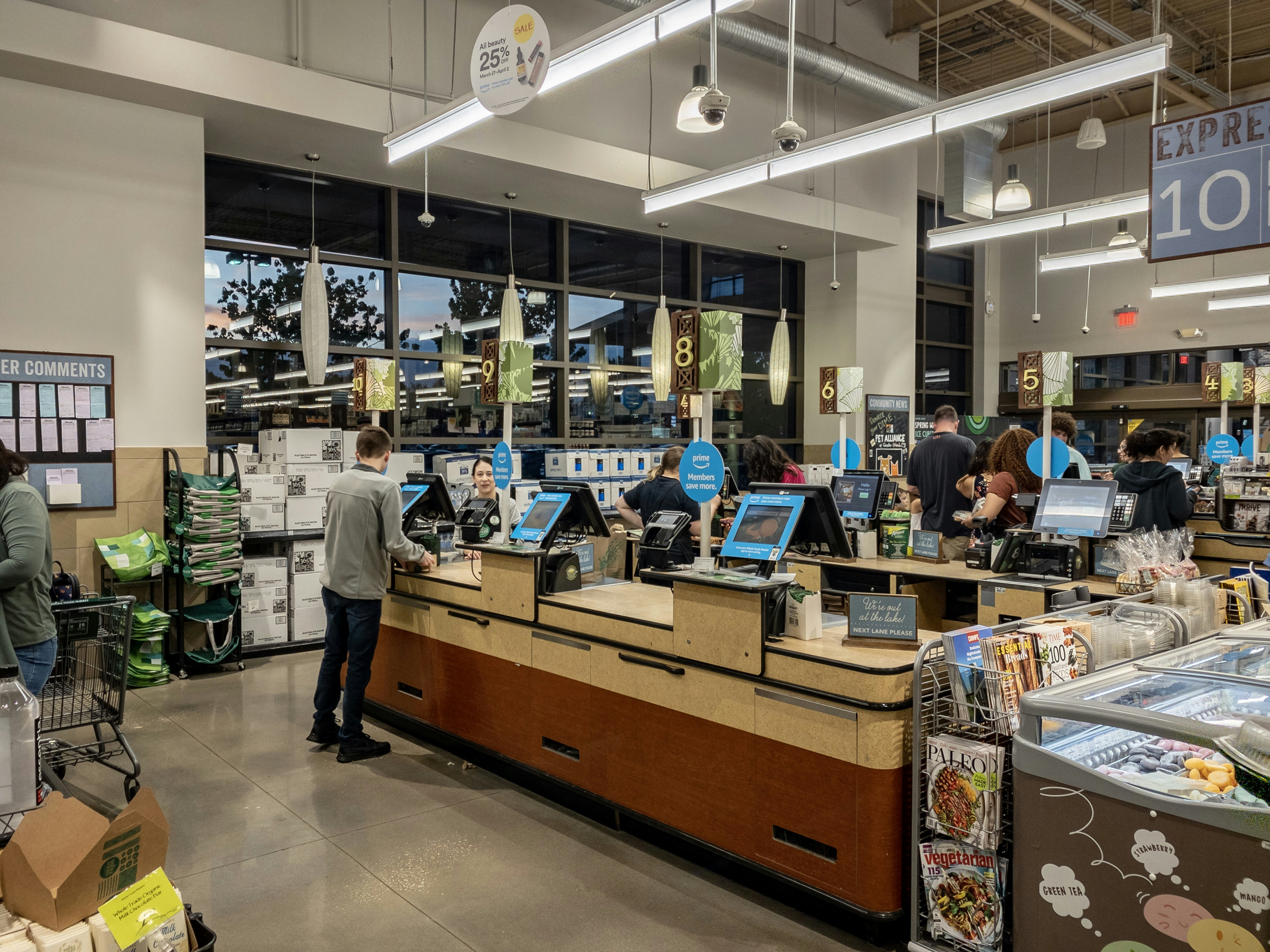
Furthermore, barcode scanners seamlessly interface with point-of-sale (POS) systems, enhancing the efficiency of retail operations. When a barcode is scanned at checkout, the POS system retrieves relevant information from a connected database, displaying product names, prices, and any applicable discounts. This instantaneous interaction reduces the likelihood of human errors compared to manual entry processes. Additionally, the integration of barcode technology fosters effective inventory tracking, providing retailers with real-time data on stock levels and sales trends. Such streamlined processes ultimately contribute to improved customer experience, allowing for faster service and greater satisfaction.
In conclusion, the mechanics of how barcodes work illustrate their pivotal role in modern retail. By efficiently encoding data and facilitating quick interactions with POS systems, barcodes are indispensable in maintaining a smooth operational flow and ensuring accurate product management.
Benefits of Using Barcodes in Retail
Barcodes play a crucial role in the retail sector, delivering numerous advantages that enhance operational efficiency and customer satisfaction. One of the primary benefits of using barcodes lies in inventory management. Retailers can effortlessly track inventory levels, ensuring that they maintain optimal stock levels. This improvement in inventory accuracy reduces the risk of overstocking or stockouts, which can significantly affect sales and customer trust. According to a study conducted by Aberdeen Group, retailers utilizing barcode systems experience a 30% reduction in inventory holding costs.
In addition to inventory management, barcodes provide improved accuracy in transactions. Traditional methods of data entry often lead to human error, potentially resulting in incorrect pricing or lost sales. Barcodes minimize these errors by allowing automatic data capture during point-of-sale (POS) transactions. A report from the National Retail Federation indicates that using barcode technology can reduce checkout times by 25%, enhancing the customer experience and promoting repeat business.
Moreover, the implementation of barcodes leads to enhanced customer service. Retail staff can quickly find product information, check stock availability, and manage customer inquiries effectively. This responsiveness not only boosts customer satisfaction but also cultivates brand loyalty. Notably, companies like Walmart have embraced barcode technology and reported significant improvements in their customer service metrics.
Lastly, barcodes enable streamlined supply chain processes by facilitating real-time tracking of products from suppliers to the retail floor. This visibility allows retailers to respond promptly to market demands and manage supply chain disruptions efficiently. Retail studies suggest that companies employing barcode systems can experience a 20% increase in supply chain efficiency. As such, the integration of barcodes into retail operations is increasingly recognized as a valuable investment with far-reaching benefits.
Barcodes and Inventory Management
In the contemporary retail landscape, effective inventory management is crucial for maintaining operational efficiency and customer satisfaction. Barcodes play a vital role in simplifying the tracking of stock levels, conducting stock audits, and anticipating inventory needs. The utilization of barcode technology enables retailers to streamline their inventory processes significantly.
By employing barcodes, retailers can gain real-time insights into their inventory status. Each item is assigned a unique barcode that, when scanned, provides immediate information regarding stock levels. This capability reduces the likelihood of human error, ensuring that data concerning the quantities of products available is both accurate and up-to-date. Moreover, barcodes facilitate the identification of slow-moving and fast-selling items, which aids retailers in making informed decisions about restocking and inventory turnover.
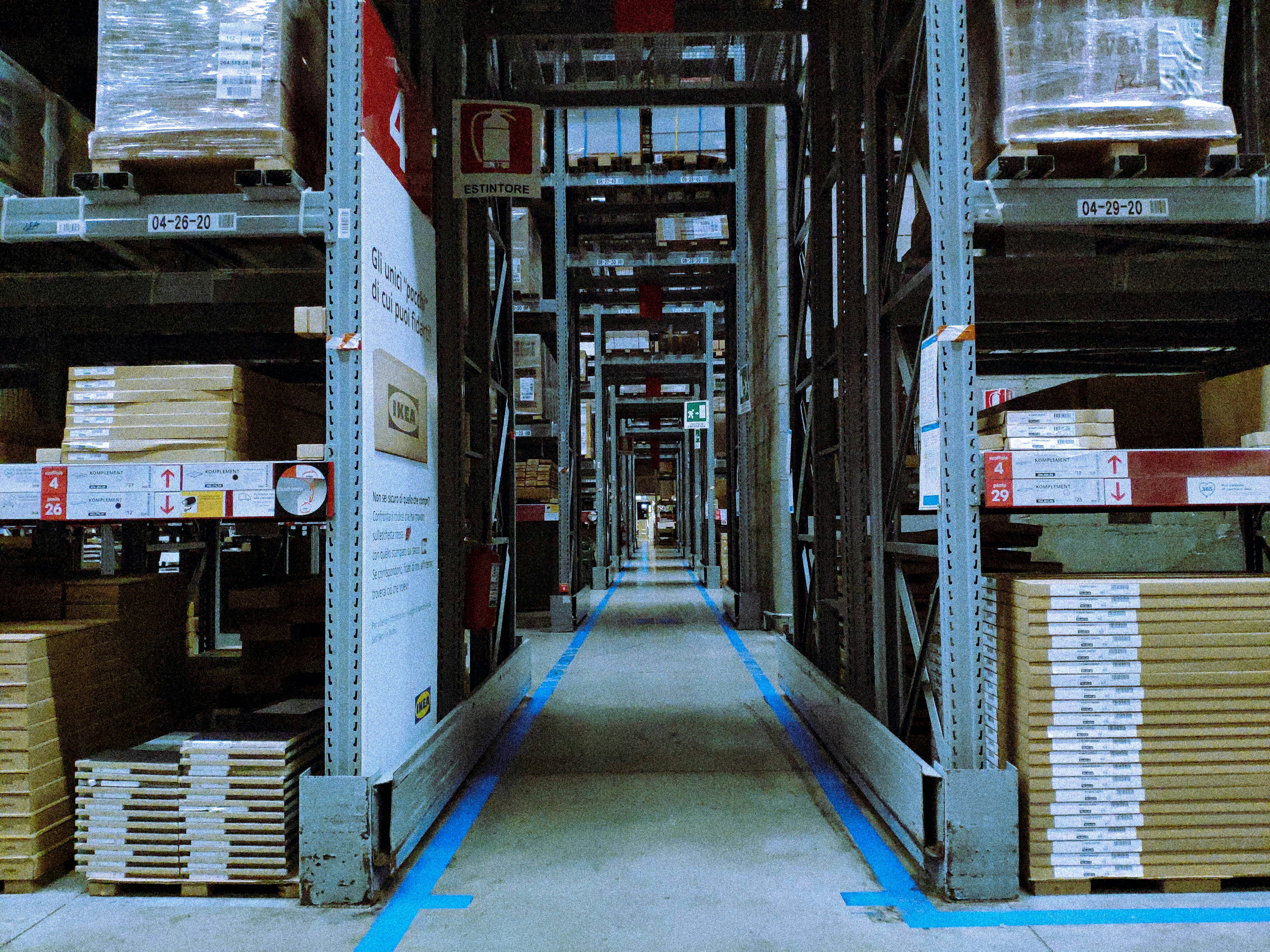
Furthermore, barcodes enhance the efficiency of stock audits. Traditionally, inventory audits required extensive manual counting, which was time-consuming and prone to inaccuracies. With barcode scanning, employees can quickly and accurately count items, thereby minimizing discrepancies and the time spent on audits. The speed of this process is not only beneficial for inventory checks but also for addressing discrepancies quickly, reducing the likelihood of stockouts or overstocking situations.
Another significant advantage of barcodes in inventory management is the ability to generate alerts for out-of-stock items. When stock levels fall below a predetermined threshold, automated alerts can be triggered, prompting timely reordering. This proactive approach to inventory management helps ensure that popular items remain in stock, directly contributing to enhanced customer satisfaction and sales.
In summary, barcodes serve as an indispensable tool in modern retail inventory management, simplifying the tracking of stock levels, enabling swift audits, and fostering a responsive approach to inventory needs.
Challenges and Limitations of Barcodes
While barcodes are undoubtedly an essential technology in modern retail, they are not without their challenges and limitations. One significant issue arises from barcode scanning errors, which can occur for various reasons, including poor print quality, damage to the barcode, or inadequate lighting conditions. Such errors can lead to inaccurate inventory records, delayed transactions, and reduced customer satisfaction. Retailers must implement rigorous quality control measures to ensure that barcodes are consistently legible and accurately scanned.
Another challenge associated with barcode technology is the maintenance of physical scanners. These devices can experience wear and tear, require regular calibration, and might necessitate periodic upgrades to keep pace with technological advancements. Retailers must allocate resources for scanner maintenance to minimize downtime and ensure efficient operations. Additionally, failures in scanning equipment can disrupt day-to-day operations, leading to potential revenue loss.
Moreover, staff training is a crucial consideration in the successful implementation of barcode systems. Employees must be adequately trained to use scanning devices and interpret results, which requires time and investment. Without proper training, staff may struggle with the technology, leading to inefficiencies and increased chances of errors during transactions and inventory assessments.
To address these challenges, retailers can consider investing in advanced scanning systems that offer robust performance under various conditions, such as handheld or mobile scanners that can read damaged barcodes. Providing comprehensive training programs will also empower staff to handle the technology effectively. By proactively addressing these challenges, retailers can optimize their barcode systems to improve operational efficiency and enhance customer experience.
The Future of Barcodes in Retail
The future of barcodes in retail is poised for significant transformation, driven by rapid technological advancements and changing consumer behaviors. One notable trend is the rise of QR codes, which have gained considerable traction in recent years. Unlike traditional barcodes, QR codes can store a larger amount of information and can be scanned by smartphones, making them ideal for marketing campaigns and consumer engagement. Retailers are increasingly adopting QR codes to facilitate customer interaction, enabling users to access product information, promotional offers, and even initiate purchases directly from their mobile devices.
Moreover, advancements in mobile barcode scanning technology are set to revolutionize the shopping experience. Modern smartphones are equipped with high-resolution cameras and sophisticated scanning software that can effortlessly read various barcode formats. This development allows retailers to streamline their operations by incorporating mobile scanning applications that enhance inventory management and checkout processes. The integration of these technologies enables quicker transactions and improves operational efficiency, offering a more seamless experience for both retailers and customers.
Additionally, the integration of barcode technology with systems like Artificial Intelligence (AI) and the Internet of Things (IoT) is creating opportunities for enhanced retail experiences. AI algorithms can analyze data derived from barcode scans to predict consumer behavior and supply chain needs more accurately. Similarly, IoT devices, which collect data through barcode interactions, can communicate in real-time with inventory management systems, driving automation and reducing stock discrepancies. This interconnected ecosystem not only optimizes inventory management but also fosters a personalized shopping experience by providing tailored recommendations based on consumer preferences.
As barcode technology continues to evolve, its ability to adapt and integrate with emerging technologies positions it as a crucial component in the future of retail. Retailers who embrace these innovations will likely gain a competitive edge, driving growth and improving customer satisfaction.
Case Studies of Successful Barcode Implementations
The implementation of barcode technology has transformed various retail environments, leading to enhanced operational efficiency, improved inventory management, and increased customer satisfaction. Several retailers have successfully adopted barcode solutions, providing valuable insights into the benefits and challenges associated with this technology.
One notable case study involves a large grocery chain that faced significant challenges in managing its inventory across multiple locations. The retailer was struggling with manual stocktaking, leading to inaccuracies and stockouts. To address this, the company implemented a robust barcode system that integrated with its inventory management software. By equipping staff with handheld scanners, the store was able to streamline the stocktaking process, drastically reducing the time taken to manage inventory. As a result, the retailer reported a 20% decrease in stock discrepancies and a 15% increase in overall sales due to improved product availability.
Another pertinent example is a fashion retailer that sought to enhance the customer shopping experience while improving its operational processes. Prior to implementing barcode technology, the retailer faced challenges with checkout times and product returns. By incorporating a comprehensive barcode labeling system for its products, combined with mobile point-of-sale devices, the retailer was able to expedite the checkout process significantly. The store experienced a 30% reduction in wait times, leading to higher customer satisfaction ratings. Additionally, the integration of barcodes facilitated easier product returns, resulting in a decrease in return processing times by 40%.
These case studies illustrate the profound impact of barcode technology on modern retail operations. By overcoming specific challenges through innovative solutions, retailers not only improve efficiency but also enhance the overall customer experience. Key lessons learned from these implementations include the importance of thorough planning, staff training, and seamless integration with existing systems, all of which are essential to maximizing the potential of barcode technology in retail settings.
Best Practices for Implementing Barcodes
The integration of barcode technology into retail operations can significantly enhance efficiency, inventory management, and customer satisfaction. However, to fully leverage the benefits of this technology, retailers should adhere to several best practices when implementing barcode systems.
First and foremost, selecting the right barcode system is critical. Retailers must assess their specific needs and operational workflows to determine whether they require one-dimensional (1D) or two-dimensional (2D) barcodes. 1D barcodes are typically employed for products requiring quick scans, while 2D barcodes, such as QR codes, offer more information and are adaptable for various applications, including mobile devices. Retailers should also consider compatibility with existing retail software to ensure seamless integration.
Once a barcode system has been identified, conducting effective training for employees becomes essential. Comprehensive training sessions should cover the importance of barcodes, how to use barcode scanners, and best practices for scanning items accurately. It is equally important to foster a culture of accuracy; emphasizing the impact of correct scanning on inventory management and customer experience can enhance employees’ adherence to barcode practices.
Furthermore, integrating barcodes with existing retail software should be approached with careful planning. The software must be capable of accommodating barcode data for inventory tracking, sales reports, and order fulfillment. Retailers should also create a standardized process for updating barcode information within the system promptly, ensuring that product details are always current and accurate.
Lastly, regular assessments should be conducted to evaluate the efficiency of the barcode system. Gathering feedback from employees using the system can help identify areas for improvement, ultimately refining barcode practices. By following these best practices, retailers can facilitate a smooth transition to barcode technology, thereby improving overall operational efficiency.
Conclusion
In the landscape of modern retail, barcodes represent a cornerstone technology that facilitates myriad operations at various levels. Throughout this discussion, we have explored how barcodes enhance inventory management by providing a streamlined and accurate means of tracking products. The adoption of barcode systems enables retailers to achieve real-time visibility into their stock levels, which significantly reduces the risk of overstocking or stockouts—issues that can adversely affect customer satisfaction and the bottom line.
Additionally, we examined the vital role barcodes play in improving the checkout process. By enabling faster scanning of products, retailers not only enhance operational efficiency but also contribute to a positive shopping experience. Satisfied customers are more likely to return, fostering loyalty and increasing sales. The integration of barcode technology into point-of-sale systems has proven to be an effective strategy for retailers aiming to create an efficient, customer-friendly environment.
Moreover, the potential for data collection through barcodes opens new avenues for retail analytics. This technology allows businesses to gather insights regarding consumer behavior, purchasing patterns, and inventory turnover—a treasure trove of information that can be leveraged to make informed strategic decisions. As such, the importance of barcodes transcends mere convenience; they are an essential tool for driving operational improvements and enhancing overall retail performance.
Ultimately, it is clear that embracing barcode technology is not just a matter of keeping pace with industry standards but a critical investment in future growth. Retailers who effectively utilize barcodes are better positioned to streamline their operations and improve customer satisfaction, ensuring their success in an increasingly competitive market. As the retail landscape continues to evolve, leveraging barcode technology will remain a vital strategy for those looking to thrive.
© barcodly.com- All rights reserved