Introduction to Centralized Barcode Label Management
Centralized barcode label management represents a strategic approach in which an organization consolidates its labeling processes into a single, cohesive system. This practice streamlines operations, enhances accuracy, and promotes consistency across various departments. In a world increasingly reliant on automation and data management, the significance of a robust centralized barcode label management system cannot be overstated. It addresses numerous challenges associated with decentralized labeling systems, which often lead to inefficiencies and errors in inventory management.
Decentralized systems frequently result in disparate labeling methods, varying formats, and quality inconsistencies. Such fragmentation can create confusion among employees, complicating the processes of inventory tracking and management. Furthermore, these challenges often increase the likelihood of human error, leading to mislabeling or incorrectly categorized items. Consequently, organizations may face significant operational inefficiencies, affecting their overall productivity and increasing costs.
On the contrary, centralized barcode label management offers a unified framework that standardizes labeling practices across the organization. This not only facilitates more efficient inventory management solutions but also enhances the accuracy of data collected through barcode scanning. By having a central point of control, businesses can ensure that all employees access and utilize the same labeling protocols, reducing discrepancies and improving the overall quality of their inventory management system.
Moreover, implementing this centralized approach allows for greater oversight and streamlined process management. Companies can monitor their inventory levels in real-time, track product movement effectively, and adjust their operations based on accurate, consolidated data. As such, centralized barcode label management serves as a critical component in modern business practices, helping organizations navigate the complexities of inventory management with improved efficiency and precision.
Benefits of Centralized Barcode Label Management
Implementing a centralized barcode label management system presents numerous advantages, transforming operational workflows across various industries. One of the primary benefits is the improved accuracy in inventory tracking. With a comprehensive system in place, organizations can minimize human error associated with manual data entry, leading to precise inventory records. For instance, a retail company that adopted centralized barcode management reported a significant decrease in stock discrepancies, allowing for more informed purchasing decisions and better customer satisfaction.
Another notable advantage is the reduction of operational costs. By utilizing a streamlined approach to label management, businesses can decrease the expenses related to labeling processes, printing, and materials. With an efficient system, companies can consolidate their resources, optimize their supply chains, and ensure that labels are consistently accurate and relevant. This cost efficiency was highlighted in a logistics firm that noted a 30% decrease in labeling costs after transitioning to a centralized system.
Enhanced compliance with regulations is also a critical benefit. In industries such as healthcare and food services, adhering to strict regulatory requirements is paramount. A centralized barcode label management system helps organizations maintain compliance by ensuring that all labels meet specific standards and that necessary documentation is accessible. For example, a pharmaceutical company improved its compliance rate by implementing a centralized system, effectively avoiding costly fines due to labeling inconsistencies.
Furthermore, increased productivity is a significant outcome of introducing centralized barcode label management. By streamlining processes, employees can focus on core tasks without the distractions of label creation and management. A manufacturing company that integrated this system experienced improved workflow efficiency, ultimately leading to higher output levels. This is indicative of the broader impact such systems can have, making centralized barcode label management a process that merits consideration for organizations seeking to improve their operations.
Key Features of an Effective Centralized System
When organizations look to implement a centralized barcode label management system, it is crucial to consider several key features that significantly enhance operational efficiency. Firstly, ease of integration with existing systems is paramount. A system that seamlessly integrates with current enterprise resource planning (ERP) or inventory management systems ensures that businesses do not face disruptions during implementation. This adaptability allows for a more fluid transition, minimizing downtime and maximizing productivity.
Another important feature is a user-friendly interface. A centralized system should cater to users of varying technical skills, enabling them to generate and manage barcode labels efficiently without extensive training. Intuitive design elements, such as drag-and-drop functionalities and customizable dashboards, can empower employees to use the system effectively, leading to increased adoption rates within the organization.
Robust reporting and analytics capabilities are also essential in a centralized barcode label management system. The ability to generate detailed reports concerning label usage, inventory levels, and supply chain movements can provide valuable insights that help businesses make informed decisions. These analytics can aid in identifying trends, improving inventory management, and streamlining operations further.
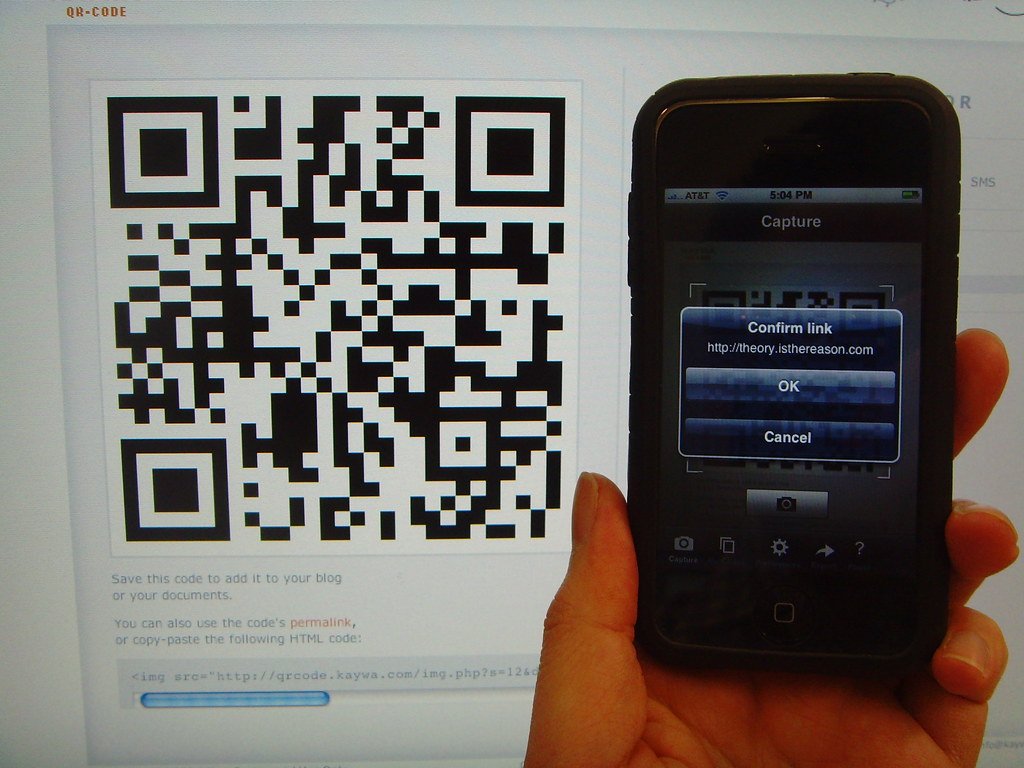
Support for various label formats and printers cannot be overlooked. A comprehensive centralized system should accommodate different types of barcode formats, such as QR codes, UPC codes, and more, as well as compatibility with multiple printing devices. This versatility ensures that businesses can operate flexibly, meeting diverse labeling needs without requiring multiple systems or solutions.
By prioritizing these key features when evaluating centralized barcode label management systems, businesses can make informed choices that align with their operational goals and improve overall efficiency.
Steps to Implement Centralized Barcode Label Management
Implementing centralized barcode label management requires a systematic approach to ensure it aligns well with an organization’s operations. The first step is to assess the current systems in place. This involves a thorough review of existing labeling processes, evaluating the technology currently used, and identifying any gaps or inefficiencies. Understanding these aspects will help in defining the specific labeling needs that are vital for the organization’s operations.
Once the evaluation is complete, the next step is to define those labeling needs precisely. This encompasses recognizing the types of products that require labeling, the information that must be included on labels, and any regulatory requirements that must be met. Clearly articulating these needs will guide subsequent decisions and help avoid unnecessary complications later in the implementation process.
The subsequent action is selecting appropriate software for centralized barcode label management. A wide array of solutions exists in the market, so thorough research and comparison of features, compatibility with current systems, and user-friendliness are essential. Opt for software that not only caters to current requirements but also offers scalability for future growth.
Following software selection, proper training for staff becomes paramount. The employees who will interact with the new system must fully understand how to operate it effectively. Providing comprehensive training sessions and resources promotes confidence and encourages smooth integration into everyday operations.
Lastly, conducting a thorough testing phase is crucial before the new system goes live. Testing should include various scenarios to ensure the system operates as intended and meets the organization’s needs. Gathering feedback during this phase can help identify any further adjustments that might be necessary. Adhering to these best practices will facilitate a smooth transition to a centralized barcode label management system, ultimately streamlining operations.
Challenges in Centralizing Barcode Label Management
Centralizing barcode label management offers numerous advantages, yet companies often encounter various challenges during the implementation process. A primary hurdle is resistance to change within the workforce. Employees accustomed to legacy systems may view a centralized solution as a disruption to their established routines. This apprehension can lead to decreased morale and reluctance to adopt new processes. It is essential for management to communicate the benefits of centralization clearly, emphasizing how new systems can enhance efficiency and reduce errors.
Another significant challenge is the need for comprehensive training. Implementing a centralized barcode label management system requires employees to understand new software and hardware functionalities. Insufficient training can result in errors, inefficiencies, and diminished productivity. Organizations should develop robust training programs that accommodate various learning styles, including hands-on workshops and online tutorials, to ensure all staff members can competently navigate the new system.
Technical difficulties are also common when centralizing barcode management. These may arise from existing IT infrastructure limitations or compatibility issues between various software systems. Businesses should conduct thorough assessments of their current technology landscape before undertaking centralization, allowing for advanced planning and modifications to mitigate potential technical problems. Additionally, investing in a phased implementation approach can help ease the transition and minimize disruptions.
Cost considerations can further complicate the centralization process. The expenses associated with new technology, training programs, and potential temporary drops in productivity can cause hesitation among stakeholders. To address this, companies should develop a detailed roadmap, outlining the expected return on investment (ROI) and long-term cost savings associated with a centralized system. By strategically addressing these challenges, organizations can significantly improve their chances of successfully centralizing barcode label management and reaping the associated benefits.
Case Studies: Success Stories in Centralized Label Management
The implementation of centralized barcode label management has proven to be a transformative solution across various industries. Organizations have encountered unique challenges during their initial stages, yet through methodical approaches, they successfully mitigated these obstacles. This section presents notable case studies highlighting the achievements of companies that embraced centralized label management.
One prominent example comes from the retail sector, where a major retail chain faced significant issues with label discrepancies across its multiple locations. The lack of uniform barcode label management resulted in inventory inaccuracies and customer dissatisfaction. To address these challenges, the company opted for a centralized management system. The implementation involved integrating their existing inventory software with a new centralized labeling system. As a result, they could standardize barcodes across their outlets, enhance inventory tracking, and significantly reduce human error. Post-implementation, the chain reported a 30% decrease in inventory discrepancies and a marked improvement in customer satisfaction scores.
In the healthcare industry, a hospital network grappled with inconsistent labeling practices across its facilities, which complicated compliance with regulatory standards. They implemented a centralized barcode label management solution to streamline the labeling of medications and patient records. This transition involved training staff and standardizing label designs aligned with regulations. The outcome was compelling: the hospital network not only improved compliance but also achieved a 25% reduction in medication errors linked to mislabeling. This case illustrates the critical role of centralized management in enhancing operational efficiency and diverging from practices that may compromise safety.
Lastly, a manufacturing firm adopted centralized barcode label management to handle its production lines more efficiently. Initial challenges included device integration and label design consistency. By investing in new software and undergoing a phased implementation, the firm significantly improved accuracy in its shipping processes. They realized a return on investment (ROI) within six months, thanks to reduced labor costs and increased efficiency, demonstrating how centralized systems can yield economic benefits.
These case studies exemplify the profound impact of centralized barcode label management across diverse sectors, illustrating clear paths to overcoming challenges and enhancing overall operational effectiveness with demonstrable ROI.
Technology Trends Influencing Barcode Label Management
The barcode label management landscape is experiencing significant transformation driven by technological advancements in recent years. One prominent trend is the development of Radio Frequency Identification (RFID) technology, which has emerged as a reliable alternative to traditional barcode systems. RFID utilizes electromagnetic fields to automatically identify and track tags attached to objects, thereby enhancing efficiency in inventory management and reducing human error. As RFID costs continue to decrease, more organizations are incorporating this technology to streamline their operations and improve accuracy in tracking their assets.
Additionally, the integration of barcode label management systems with Internet of Things (IoT) devices has garnered considerable attention. The IoT facilitates interconnectedness among devices and systems, allowing for real-time data collection and analysis. As businesses deploy IoT solutions, barcode management becomes more seamless, enabling organizations to monitor assets, track inventory levels, and manage supply chains effectively. This interconnected environment not only enhances operational visibility but also improves decision-making processes by providing critical data insights.
Another significant trend is the growing popularity of mobile labeling applications. With the increasing use of smartphones and tablets in various business operations, mobile solutions for barcode management are becoming indispensable. These applications allow employees to generate, print, and scan labels on-the-go, thus promoting flexibility and efficiency. Furthermore, mobile apps enhance accessibility, enabling staff to perform labeling tasks from virtually anywhere within the organization.
Lastly, cloud-based systems are revolutionizing barcode label management by offering solutions that facilitate remote access and centralized control. With cloud technology, businesses can store, manage, and share their barcode data across multiple locations more efficiently. This enhanced accessibility allows organizations to scale their operations as needed and reduces reliance on on-premise infrastructure, ultimately streamlining their processes while ensuring data security and integrity.
Best Practices for Ongoing Management and Optimization
Maintaining and optimizing a centralized barcode label management system is essential for ensuring its effectiveness over time. Utilizing best practices in this area enhances operational efficiency and accuracy. One of the fundamental strategies is conducting regular audits. These audits should evaluate the integrity of the barcode labels, verify the accuracy of the data captured, and ensure that all items are correctly labeled. Regular audits help identify discrepancies and areas for improvement, providing a solid foundation for ongoing management.
Another critical aspect is continuous employee training. As new software features and best practices emerge, it is vital to keep employees updated. Implementing a structured training program not only boosts proficiency in using the centralized barcode label management system but also fosters a culture of accountability. Ensuring that staff understands the importance of accurate data entry and barcode scanning will significantly enhance the integrity of the system.
Additionally, software updates play a pivotal role in optimizing centralized barcode label management. Staying current with the latest software solutions can improve functionality, introduce new features, and provide enhanced security measures. It is advisable to schedule updates during non-peak hours to minimize the disruption of daily operations, thus ensuring that the system runs smoothly without inconvenient downtimes.
Lastly, businesses must be adaptable to changing needs. As operational requirements evolve, so should the barcode label management system. Regularly reviewing the system’s capabilities and making necessary adjustments can facilitate continued efficiency. This might involve incorporating new labeling technologies or revisiting labeling strategies based on inventory changes. By adhering to these best practices—regular audits, continuous training, software updates, and adaptability—businesses can create a robust framework for long-term success in their barcode label management efforts.
Conclusion: The Future of Centralized Barcode Label Management
Centralized barcode label management represents a significant advancement in how organizations manage their inventory and streamline operations. Throughout this discussion, we have highlighted the various benefits of adopting a centralized approach, including enhanced accuracy in labeling, improved operational efficiency, and reduced costs associated with label production and management. As industries continue to expand and evolve, the implementation of a centralized barcode label system will be pivotal in maintaining competition and operational effectiveness.
Looking forward, it is imperative for businesses to remain adaptable to the changing technological landscape. Innovations such as cloud computing, artificial intelligence, and the Internet of Things (IoT) are shaping the way barcode label management is conducted. These technologies enhance the functionality of centralized systems, providing real-time data access and fostering improved decision-making processes. As a result, organizations that invest in modernizing their barcode label management are likely to see significant advantages in their supply chain operations and overall productivity.
Moreover, as businesses face increasing pressure to maintain compliance with regulatory requirements and respond to market demands, the need for a robust and centralized barcode labeling system becomes even more critical. Companies must not only focus on efficiency but also ensure accuracy and traceability in their labeling processes. This is essential not only for operational integrity but also for sustaining customer trust and satisfaction.
In conclusion, the future of centralized barcode label management is bright, marked by technological advancements and a growing emphasis on efficiency. By embracing these changes and refining their strategies, businesses will be well-positioned to thrive in an increasingly competitive landscape. Adaptability and foresight in implementing these systems will ultimately dictate which organizations excel in the dynamic market ahead.
© barcodly.com- All rights reserved