How to Optimize Your Inventory Management with Barcodes
For many growing businesses, managing inventory is a constant struggle. Relying on spreadsheets, manual data entry, and physical stock counts often leads to misplaced items, shipping delays, and costly human errors. If your business is scaling up, sticking to manual tracking is no longer sustainable.
The solution to these logistical nightmares is surprisingly simple: a standardized barcode system. By digitizing your inventory tracking, you can gain complete control over your stock, from the warehouse shelf to the customer’s hands.
The Problem with Manual Inventory Tracking
Before diving into the solution, it is important to understand why manual inventory fails as a business grows:
-
High Error Rates: Typing long SKU numbers by hand inevitably leads to typos. A single wrong digit can mess up your entire stock count.
-
Time-Consuming: Conducting manual stocktakes takes hours or even days, pulling your staff away from more important tasks.
-
Blind Spots: Without real-time tracking, you never truly know what is in stock until you physically check, leading to unexpected stockouts or over-purchasing.
How a Barcode System Transforms Your Workflow
Implementing barcodes changes the game by bridging the gap between your physical products and your digital database. Here is how it optimizes your operations:
1. Pinpoint Accuracy
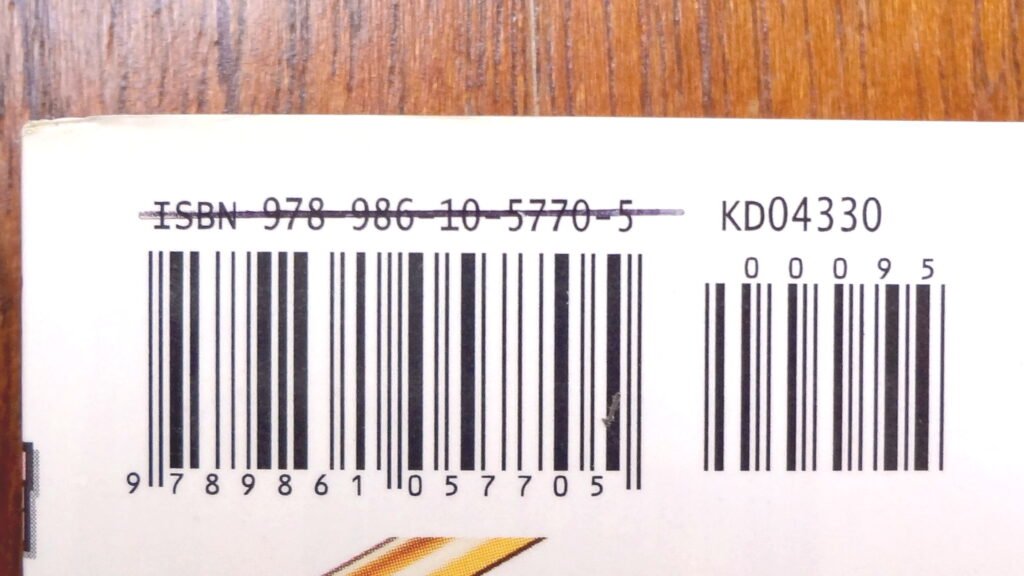
When you scan a product, the data is captured instantly and accurately. Barcode scanners eliminate the risk of keystroke errors, ensuring that the item received, moved, or sold is exactly the item recorded in your system.
2. Real-Time Stock Visibility
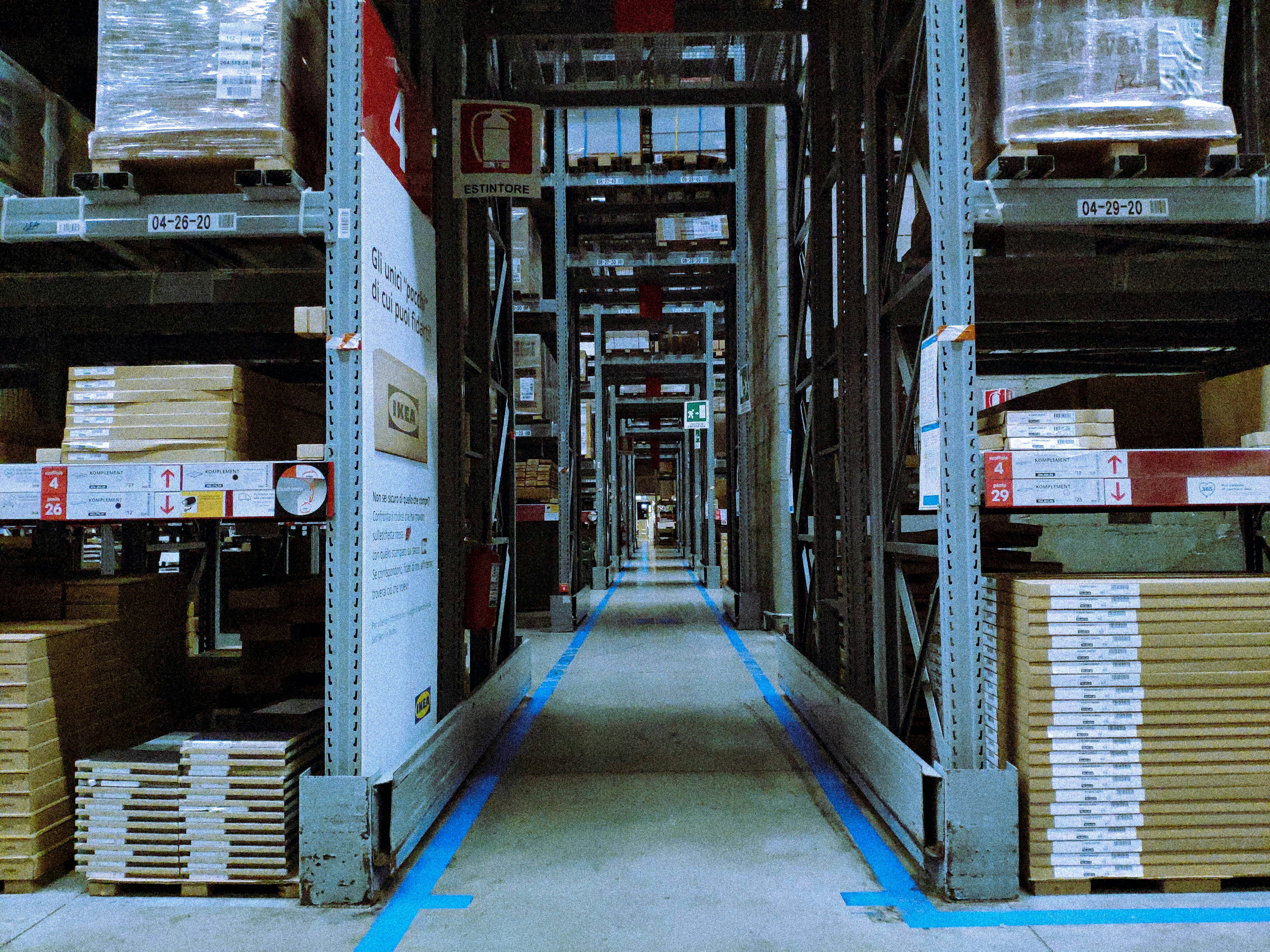
Every time an item is scanned, your centralized inventory software updates instantly. Whether a product is being loaded onto a delivery truck or sold at the checkout register, you have a live, accurate view of your stock levels at any given second.
3. Faster Processing
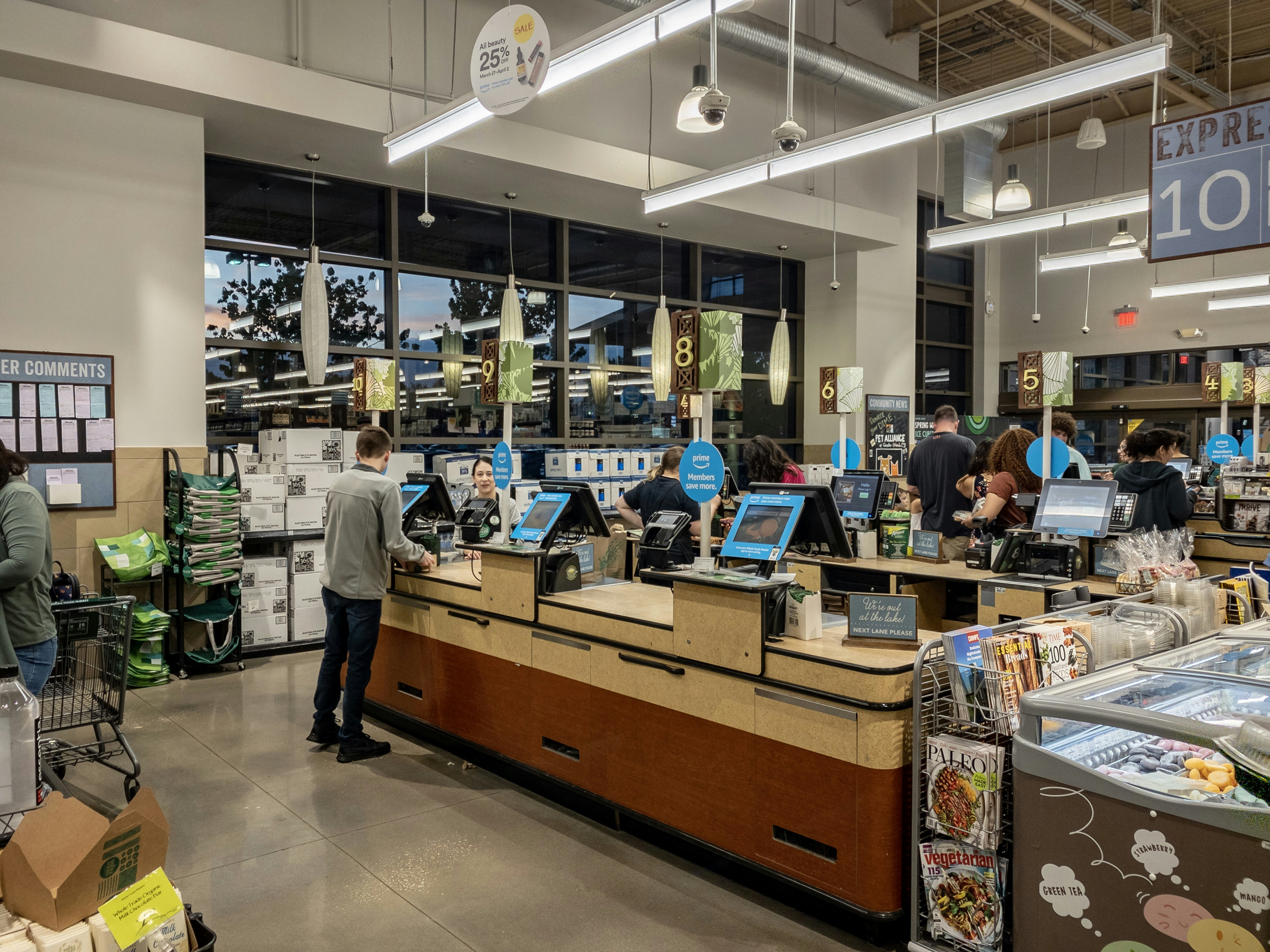
Scanning takes a fraction of a second. This speeds up the entire supply chain process, from receiving shipments in the warehouse to checking out customers at the retail front. Faster processing means lower labor costs and happier customers.
Getting Started: Creating Your System
Setting up a barcode system for your inventory is easier than you might think. You generally need three things:
-
A Database/POS System: Software to store your product information and track stock levels.
-
Hardware: Scanners or mobile devices equipped with scanning capabilities.
-
Labels: The actual codes printed and attached to your products or shelving units.
If you are setting up internal inventory tracking, you have the flexibility to create your own numbering system. You do not necessarily need to buy expensive GS1 codes if the products aren’t going to standard retail stores. You can simply use a fast, online barcode platform to generate Code 128 or QR codes tailored to your specific SKUs.
Conclusion
Transitioning from manual spreadsheets to an automated barcode system is one of the most profitable investments a business can make. It reduces shrinkage, maximizes staff productivity, and provides the accurate data you need to make smart purchasing decisions. Start generating your codes today and take the first step toward a more efficient business.
© barcodly.com- All rights reserved